Vienna on a Budget 2026: 15 Cheap and Free Things to Do Without Missing the Best Sights
Updated: August 6, 2026
This post contains affiliate links; we may earn a commission if you book through these links at no extra cost to you.
Vienna looks expensive at first. Palaces, opera houses, grand cafés, and museums can make the city feel like a luxury trip.
But you can visit Vienna on a budget and still enjoy the best parts of the city.
The trick is simple: use public transport, stay near a subway line, enjoy free sights first, and choose only a few paid experiences that are truly worth it.
In this guide, you’ll find cheap things to do in Vienna, free attractions, affordable food tips, transport advice, and a simple budget-friendly itinerary.
Planning a bigger trip? Start with my Austria itinerary for first timers.
Quick Answer: Can You Visit Vienna on a Budget?
Yes, Vienna is possible on a budget. Many of the city’s best experiences are free or low-cost, including palace gardens, historic streets, markets, churches, parks, river walks, and seasonal events. Public transport is also easy to use, so you do not need taxis to explore the city.
To save money, focus on free sights during the day and pick one paid experience that matters most to you, such as a concert, museum, palace visit, or walking tour.
Best Way to Plan Vienna on a Budget
A budget trip to Vienna works best when you plan around location, transport, and a few smart paid choices. You do not need to skip the city’s famous sights. You just need to avoid paying for everything.
How Many Days Do You Need in Vienna?
For most travelers, 2 to 3 days in Vienna is enough for a budget-friendly first visit.
In 2 days, you can see the historic center, St. Stephen’s Cathedral, Schönbrunn Palace Gardens, Belvedere Gardens, Naschmarkt, and one evening activity.
In 3 days, you can slow down, add a museum or concert, explore Danube Island, and enjoy more local food without rushing.
A simple guide:
| Trip Length | Best For |
|---|---|
| 1 day | Quick highlights only |
| 2 days | Main sights on a budget |
| 3 days | Best balance for price and pace |
| 4+ days | Museums, music, parks, and day trips |
If you have extra time, you can also compare nearby options in this guide to the best places to visit near Vienna.
Best Time to Visit Vienna for Lower Prices
The best months for a cheaper Vienna trip are usually March to May and September to early November. The weather is still comfortable, but hotels are often better value than in the busiest travel periods.
Summer is good for outdoor events, parks, and river areas, but accommodation can cost more.
Winter can be cheaper in January and February. December is beautiful because of the Christmas markets, but hotel prices often rise around the festive season.
Quick guide:
| Season | Budget Travel Notes |
|---|---|
| Spring | Good weather and fair prices |
| Summer | Great for outdoor events, but busier |
| Autumn | Good value and comfortable weather |
| December | Festive, but often more expensive |
| January–February | Often cheaper, but colder |
Planning a winter trip? This guide to the best Christmas markets in Vienna can help you decide if December is worth the higher cost.
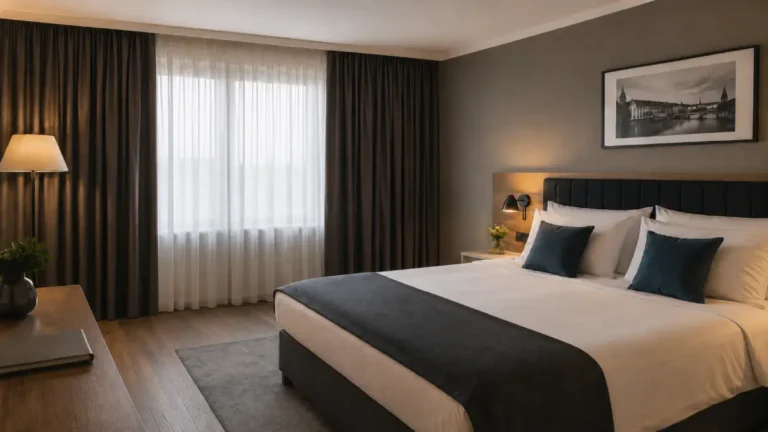
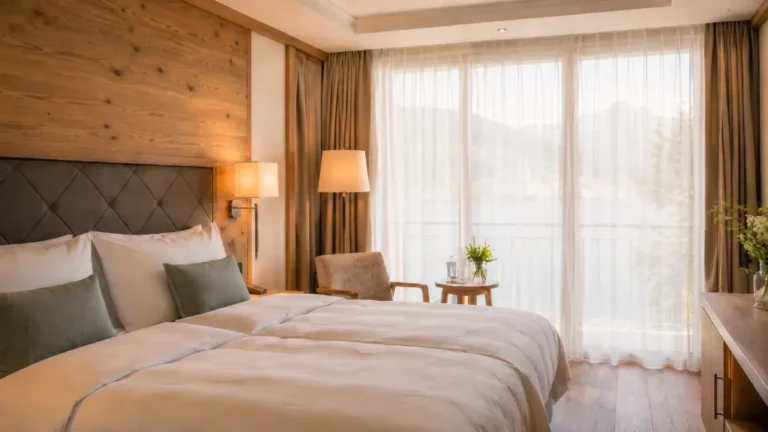
Where to Stay in Vienna on a Budget
You do not need to stay beside St. Stephen’s Cathedral to enjoy Vienna.
The smarter move is to stay near an U-Bahn station. Vienna’s subway is fast and easy, so you can save money by staying a little outside the most expensive central streets.
Good areas to compare include:
| Area | Why It Works |
|---|---|
| Leopoldstadt | Close to the center, Prater, and Danube Canal |
| Landstraße | Practical area with good transport |
| Mariahilf | Good for food, shopping, and Naschmarkt |
| Neubau | Cafés, museums, and a local feel |
| Favoriten | Often cheaper with useful subway links |
Before booking, check:
- Walking time to the nearest U-Bahn station
- Breakfast cost
- Cancellation rules
- Reviews about noise and cleanliness
- Nearby supermarkets or casual cafés
You might prefer a central hotel if you only have one night. But for 2 or 3 days, staying slightly outside the old town can save a lot.
For a full area breakdown, see this guide on where to stay in Vienna.
Cheapest Way to Get Around Vienna
The cheapest way to get around Vienna is usually by walking and using public transport.
The city has trams, buses, subway lines, and local trains. Most major sights are easy to reach without a taxi.
For a short visit, compare these options before buying tickets:
| Option | Best For |
|---|---|
| Walking | Historic center and nearby sights |
| Single ticket | One or two short rides |
| 24-hour or multi-day pass | Several rides per day |
| Vienna City Card | Transport plus attraction discounts |
| Bike rental | Parks, river paths, and sunny days |
A normal transport pass is usually enough if you mainly want to move around the city.
The Vienna City Card may be worth checking if you plan to use public transport often and visit several paid attractions. If your trip is mostly free sights and walking, it may not save much.
One common mistake is buying single rides again and again. If you will use public transport several times in one day, check the day pass price first.
Use Free Attractions First
The easiest way to enjoy Vienna cheaply is to start with free sights before adding paid attractions.
Many of Vienna’s best places do not require an entry ticket. You can walk through palace gardens, explore historic streets, visit markets, relax in parks, and enjoy beautiful architecture from the outside.
Start with free places like:
- Schönbrunn Palace Gardens
- Belvedere Palace Gardens
- St. Stephen’s Cathedral area
- Rathausplatz
- Naschmarkt
- Danube Island
- Prater park
- Ringstraße
- Hundertwasser area
Then choose one or two paid experiences that fit your interests.
For example, you could pick a walking tour, a concert, a palace interior, or a museum. This keeps your trip interesting without turning every stop into another ticket cost.
If this is your first trip, this guide to the best things to do in Vienna for first-time visitors can help you choose what is most worth your time.
One budget mistake is booking the cheapest hotel without checking the morning airport route. If you have an early flight, the cheaper room may not feel worth it once you add luggage, transport, and stress. Before booking your last night, compare the options in my guide to Vienna Airport hotel or city center.
Cheap and Free Things to Do in Vienna
Vienna is one of the best European capitals for free sightseeing. You can enjoy imperial gardens, old streets, churches, markets, river paths, and public squares without spending much.
For paid attractions, choose carefully. A few are worth the money, but you do not need to pay for every palace, museum, or concert to have a great trip.
1. Walk Through the Historic Center
Vienna’s historic center is the best place to start, especially if it is your first visit.
You can explore many of the city’s most famous streets and landmarks on foot, including Stephansplatz, Graben, Kohlmarkt, Kärntner Straße, and parts of the Ringstraße.
This area gives you a strong feel for Vienna without needing an entry ticket. You will see elegant buildings, old churches, grand cafés, luxury shops, and busy squares all within a walkable area.
Best for: First-time visitors, short trips, free sightseeing
Time needed: 1.5 to 3 hours
Budget tip: Go early in the morning if you want quieter photos around St. Stephen’s Cathedral.
If you want more context, a guided walking tour can be a good value. It helps you understand the city’s history instead of just walking past beautiful buildings. This works well if you only have 2 days and want to make better use of your time.
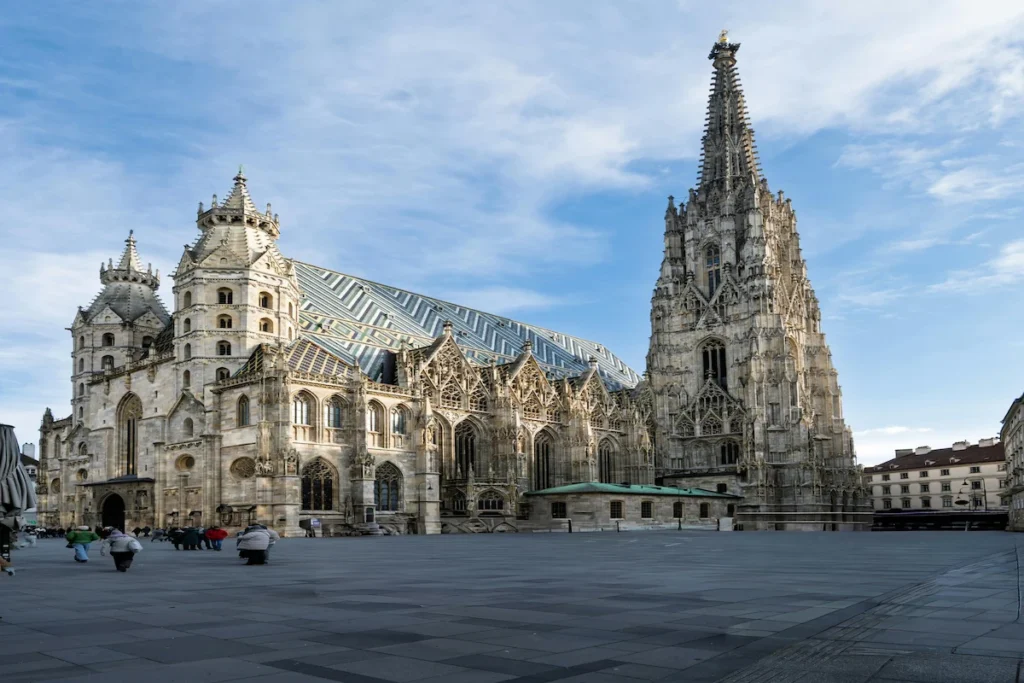
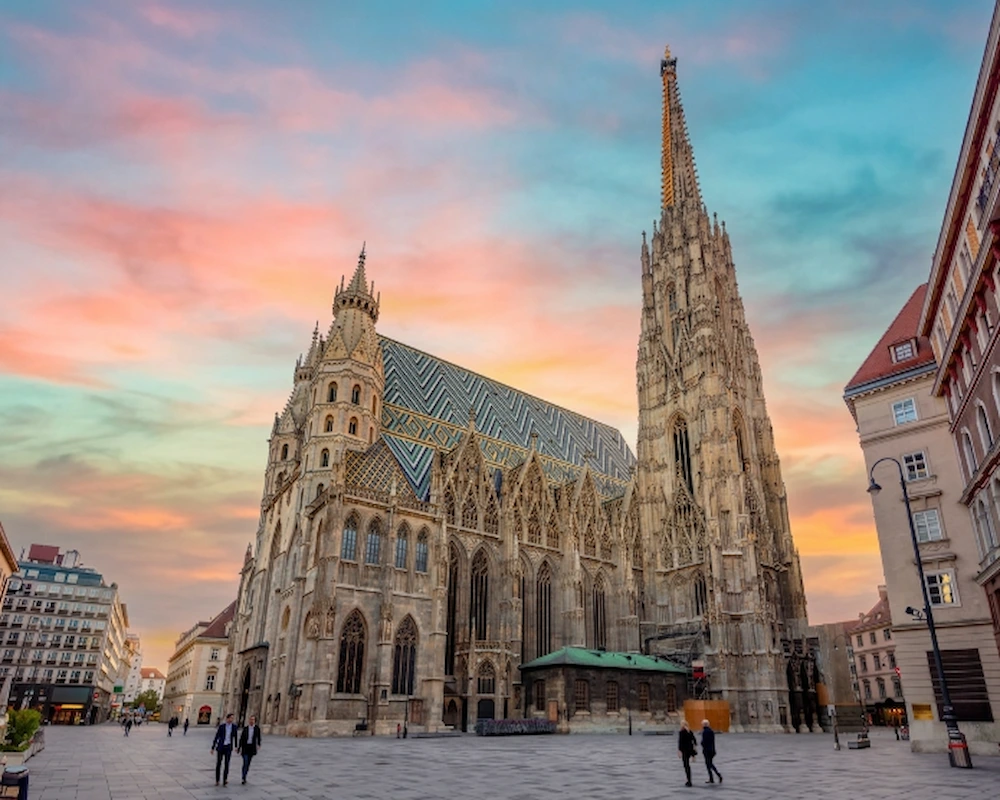
2. See St. Stephen’s Cathedral
St. Stephen’s Cathedral is one of Vienna’s most important landmarks, and you can enjoy a lot of it without spending much.
The outside is impressive on its own, especially the patterned tiled roof and tall south tower. The area around the cathedral is also one of the best places to start a self-guided walk through the old town.
You can enter part of the cathedral for free, although some areas, tours, tower climbs, and special sections may require a ticket.
Best for: Architecture, history, city views
Time needed: 30 minutes to 1.5 hours
Budget tip: If you only pay for one thing here, consider the tower climb if city views matter to you.
A good plan is to visit the cathedral first, then walk toward Graben, Hofburg, and the Ringstraße. This gives you a full morning of sightseeing with little or no cost.
3. Explore Schönbrunn Palace Gardens
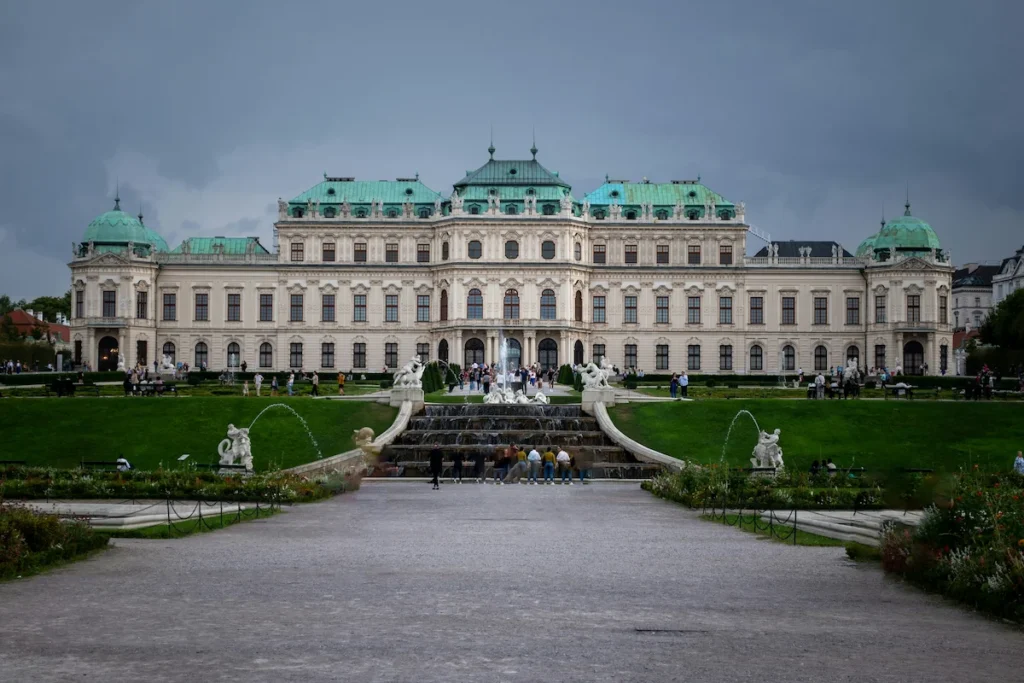
Schönbrunn is one of Vienna’s most famous sights, but you do not need a palace ticket to enjoy the area.
The palace gardens are free to enter and make one of the best budget experiences in Vienna. You can walk along wide paths, see fountains, enjoy the formal garden design, and climb up toward the Gloriette for a beautiful view over the palace grounds.
The palace interior is paid, so this is where you can decide based on your budget. If you love royal history, it may be worth adding. If you are trying to keep costs low, the gardens alone still feel like a major Vienna experience.
Best for: Free sightseeing, photos, palace views
Time needed: 1.5 to 3 hours
Budget tip: Bring water and snacks if you plan to spend a few hours walking around the gardens.
This is a smart choice if you want the feeling of imperial Vienna without paying for several palace or museum tickets in one day.
4. Visit Belvedere Palace Gardens
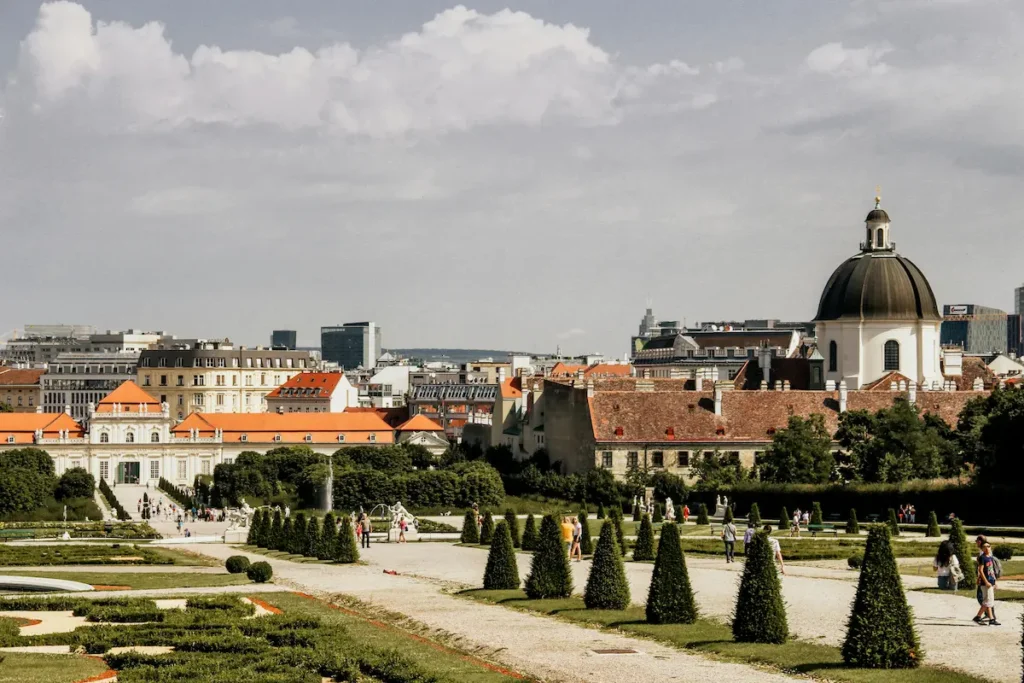
Belvedere is another excellent budget stop because the gardens can be visited without buying a museum ticket.
The palace complex is beautiful from the outside, with fountains, sculptures, wide paths, and views between the Upper and Lower Belvedere. It feels grand, but it is also easy to enjoy casually.
If you are interested in art, you can pay to visit the museum. If not, the gardens and palace exterior are still worth adding to your route.
Best for: Gardens, architecture, photos
Time needed: 45 minutes to 1.5 hours
Budget tip: Pair Belvedere Gardens with a walk around nearby streets or a cheaper lunch away from the main tourist spots.
Belvedere works well on a budget itinerary because it gives you another palace-style experience without forcing you to buy a ticket.
5. Ride a Tram Around the Ringstraße
Vienna’s Ringstraße is lined with some of the city’s most impressive buildings, including museums, the State Opera, Parliament, City Hall, and grand historic architecture.
Instead of paying for a sightseeing bus, you can use regular public transport and ride along parts of the Ringstraße by tram.
This is not a full guided tour, but it is a cheap and easy way to see a lot of beautiful Vienna from the window. It is especially useful if the weather is cold, rainy, or you need a break from walking.
Best for: Cheap sightseeing, rainy days, first-time visitors
Time needed: 30 to 60 minutes
Budget tip: Use this as part of a public transport pass instead of buying a separate sightseeing ticket.
One thing to keep in mind: routes can change, so check the latest tram route before you go. If you want commentary and a simpler experience, a proper guided city tour may be easier, but regular trams are the better budget option.
6. Relax on Danube Island
Danube Island, or Donauinsel, is a long outdoor area that feels very different from the historic center.
It is a great place to walk, cycle, picnic, swim in warm weather, or simply take a break by the water. Locals use it for jogging, skating, cycling, and relaxed summer evenings.
This is one of the best free things to do in Vienna if you want fresh air and space. It is also a nice break if your trip has been full of palaces and museums.
Best for: Outdoor time, cycling, picnics, summer trips
Time needed: 1 to 3 hours
Budget tip: Pick up snacks from a supermarket before you go and have a simple picnic by the water.
Danube Island is especially useful on longer stays because it gives you a free, local-feeling activity that does not feel like another tourist stop.
7. Browse Naschmarkt Without Overspending
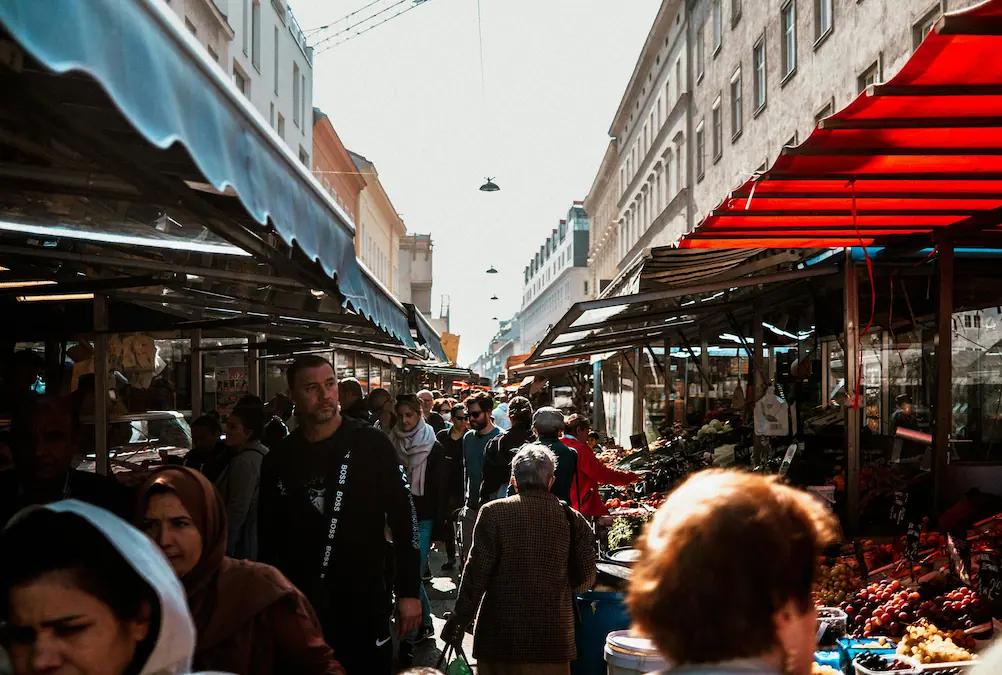
Naschmarkt is Vienna’s most famous market and a good place to explore food culture without booking an expensive restaurant.
You will find fruit, spices, cheese, bread, sweets, casual food stalls, cafés, and international dishes. It can be touristy in parts, but it is still fun to walk through and compare options.
The key is to avoid treating it like a blank check. Some places are better value than others, so check menus before sitting down.
Best for: Casual food, market atmosphere, snacks
Time needed: 45 minutes to 1.5 hours
Budget tip: Go for small bites, bakery items, or casual plates instead of a full sit-down meal in the busiest section.
Naschmarkt works well around lunchtime, especially if you want something more interesting than fast food but still cheaper than a formal restaurant.
8. See Hundertwasserhaus and Hundertwasser Village
Hundertwasserhaus is one of Vienna’s most unusual buildings. Its colorful facade, uneven lines, plants, and playful shapes make it look completely different from the city’s grand imperial style.
You can see the outside for free. Nearby Hundertwasser Village has small shops, cafés, and more of the same quirky design style.
This is a good stop if you want something different from palaces and classical museums. It is also popular for photos, but it does not need to take much of your day.
Best for: Photos, unusual architecture, quick stops
Time needed: 30 to 60 minutes
Budget tip: Enjoy the exterior for free and skip shopping unless something really interests you.
One thing to keep in mind: Hundertwasserhaus is a residential building, so be respectful and avoid blocking entrances or disturbing residents.
9. Enjoy Rathausplatz Events
Rathausplatz is the large square in front of Vienna City Hall. It hosts events throughout the year, and many are free to enjoy.
Depending on when you visit, you may find open-air film screenings, seasonal food stalls, concerts, Christmas markets, ice skating, or public festivals.
This is one of the easiest ways to enjoy Vienna’s atmosphere without planning a formal activity. Even if you do not spend much, the setting is impressive.
Best for: Seasonal events, evening atmosphere, free entertainment
Time needed: 30 minutes to 2 hours
Budget tip: Check what is happening during your dates before paying for evening entertainment elsewhere.
Rathausplatz is especially good in summer and winter, but it is worth checking year-round because the square changes often.
10. Visit Prater Park
Prater is a large public park best known for the Giant Ferris Wheel, but you can enjoy the park itself for free.
You can walk through green areas, explore the amusement zone, people-watch, or simply enjoy a relaxed break from the city center. You only pay for rides or attractions you choose.
This makes Prater a flexible budget stop. You can spend almost nothing, or you can pay for one ride if it feels worth it.
Best for: Families, casual walks, low-cost fun
Time needed: 1 to 3 hours
Budget tip: Set a ride budget before you arrive, especially if you are traveling with kids.
Prater is also easy to pair with Leopoldstadt, which can be a practical area to stay if you want good transport and slightly better accommodation value than the most central streets.
11. Visit the Central Cemetery
Vienna’s Central Cemetery is not a typical tourist stop, but it is one of the city’s most interesting free places if you enjoy music, history, or quiet walks.
Many famous composers and cultural figures are connected with this cemetery, and the grounds are large, peaceful, and full of impressive memorials.
It takes a little more effort to reach than the central sights, so it is best for travelers who have extra time or a specific interest in Vienna’s music history.
Best for: Music history, quiet walks, unusual sights
Time needed: 1 to 2 hours
Budget tip: Visit during the day and combine it with other nearby plans rather than making a special trip at night.
This is a good example of how Vienna can be rewarding without being expensive. Some of the most memorable places are not the most obvious ones.
12. Choose One Affordable Music Experience
Vienna is famous for music, and you do not need a premium opera seat to enjoy it.
Depending on your budget, you can look for standing tickets, smaller concerts, church concerts, student performances, or more casual venues. The Vienna State Opera, Volksoper, Musikverein, and other venues all offer different types of experiences, but prices vary widely.
The best approach is to choose one music experience that fits your interest and budget instead of trying to attend several.
Best for: Culture, evening plans, first-time visitors
Time needed: 1.5 to 3 hours
Budget tip: Compare ticket types before booking. The cheapest ticket is not always the most comfortable, but it can still offer a memorable experience.
A concert or opera can be worth the splurge if music is one of your main reasons for visiting Vienna. If not, enjoy the buildings from outside and spend your budget elsewhere.
13. Pick One Museum Instead of Trying to See Them All
Vienna has many excellent museums, but museum tickets can quickly become expensive if you visit several in one trip.
A better budget plan is to choose one museum that matches your interests.
Good options could include art, music, imperial history, natural history, or architecture. If you are traveling with kids, interactive museums may be better value than formal galleries.
Best for: Rainy days, art lovers, history fans
Time needed: 1.5 to 3 hours
Budget tip: Check official museum websites before visiting for current prices, free-entry rules, student discounts, family tickets, and evening hours.
Be careful with “free museum day” advice online. Free entry rules can change, and they often apply only to specific museums or certain visitor groups. Always check before planning your whole day around it.
14. Walk the Danube Canal
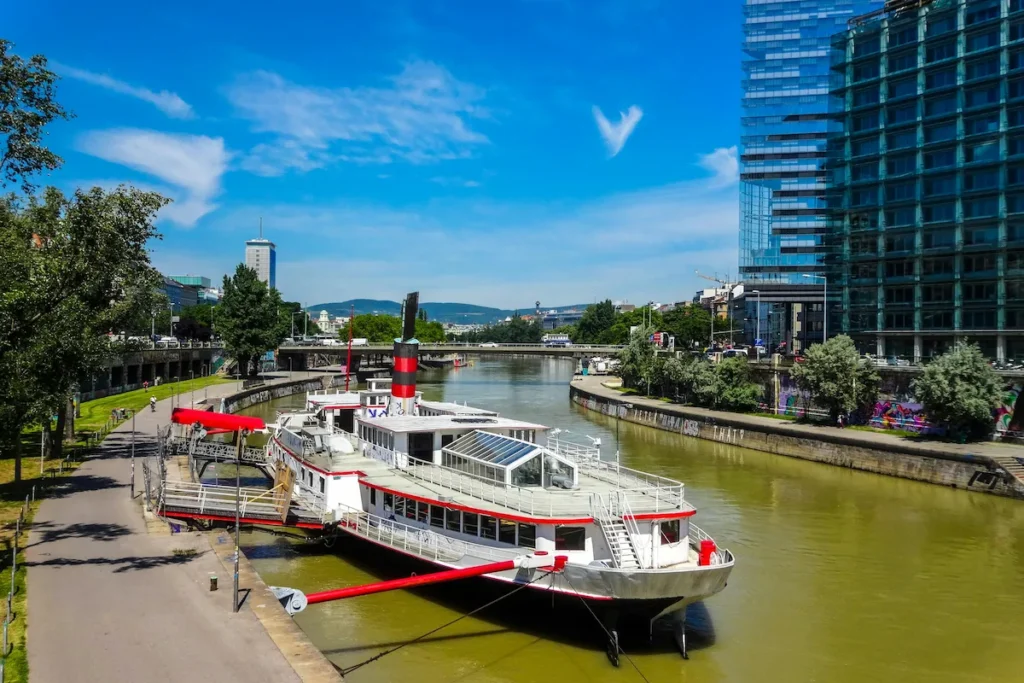
The Danube Canal is easier to reach than Danube Island and works well for a short walk near the center.
You will find riverside paths, casual places to sit, street art, seasonal bars, and relaxed city views. It is not as grand as the old town, but it shows a more casual side of Vienna.
This is a good free activity in the late afternoon or evening, especially if you want to walk without a strict sightseeing plan.
Best for: Short walks, casual evenings, local atmosphere
Time needed: 30 minutes to 1 hour
Budget tip: Skip pricey riverside drinks if you are watching your budget and enjoy the walk instead.
The Danube Canal is also useful if you are staying near Leopoldstadt or the northern edge of the city center.
15. Add a Budget-Friendly Day Trip Only If You Have Time
Day trips can make your Vienna trip more memorable, but they also add transport costs. If you only have 2 days, it is usually better to stay in Vienna.
If you have 3 or 4 days, a nearby day trip may be worth it. Bratislava, Laxenburg Castle Park, Wachau Valley, and other places near Vienna can work well depending on your budget and travel style.
Before booking a tour or train ticket, compare the total cost with what you still want to do in Vienna.
Best for: Longer trips, repeat visitors, slower itineraries
Time needed: Half day to full day
Budget tip: Do not add a day trip just to fill time. Vienna already has enough free and low-cost sights for several days.
For ideas, compare this guide to day trips from Vienna or this guide to a Vienna to Bratislava trip if you want a nearby city that is easy to reach.
How to Eat in Vienna on a Budget
Food in Vienna can be expensive if you eat beside major landmarks every day. But with a few simple choices, you can enjoy local flavors without spending too much.
The best budget food strategy is to eat your main meal at lunch, use markets and sausage stands for casual meals, and save traditional cafés for one special stop instead of visiting several expensive ones.
Look for Lunch Menus
Many restaurants and cafés in Vienna offer a Mittagsmenü, which means a lunch menu or daily lunch special.
This is one of the easiest ways to eat well for less. You may find a set meal, daily dish, or cheaper lunch plate that costs less than ordering from the regular dinner menu.
Lunch menus are especially useful if you want to try Austrian food without paying tourist-area dinner prices.
Best for: Traditional food, better value, sit-down meals
Budget tip: Check menus outside restaurants before entering. If there is no price listed, compare another place nearby.
Good dishes to look for include:
- Schnitzel
- Goulash
- Soup with bread
- Dumplings
- Roast dishes
- Seasonal daily plates
You do not need to eat every meal in a restaurant. One good lunch menu plus a lighter dinner can keep your daily food budget under control.
Try a Würstelstand for a Cheap Local Meal
A Würstelstand is a traditional sausage stand, and it is one of the most practical cheap food options in Vienna.
You can usually get a quick, filling meal without sitting in a restaurant. It is simple, casual, and very local.
Common options include sausages served with bread, mustard, and sometimes pickles or horseradish. It works well when you are sightseeing and do not want to spend an hour on lunch.
Best for: Quick meals, late snacks, budget travelers
Budget tip: Check the price before ordering extras or drinks.
This is a good option near busy areas, but prices can still vary by location. If a stand is right beside a major landmark, compare it with another one a few streets away.
Use Supermarkets for Breakfast and Snacks
Supermarkets are your friend in Vienna, especially if your hotel breakfast is expensive.
Instead of paying for a full breakfast every day, you can pick up pastries, fruit, yogurt, sandwiches, water, and snacks from supermarkets or bakeries.
This is especially useful if you plan to spend the morning walking through Schönbrunn Gardens, Belvedere Gardens, or the historic center.
Best for: Breakfast, picnic supplies, snacks
Budget tip: Keep a refillable bottle with you. Vienna’s tap water is safe to drink, so you do not need to keep buying bottled water.
A simple supermarket breakfast and one café treat later in the day is often a better budget choice than paying for hotel breakfast every morning.
Visit Naschmarkt Without Overspending
Naschmarkt is a great place to browse, snack, and try different foods. But it is not automatically cheap.
Some stalls and restaurants are good value, while others are priced more for visitors. The best approach is to walk through first, compare menus, and then decide where to eat.
You can keep it budget-friendly by choosing small bites, bakery items, fresh fruit, or casual plates instead of a full sit-down meal in the busiest part of the market.
Best for: Food browsing, snacks, casual lunch
Budget tip: Do not sit down at the first place you see. Walk the market first and compare prices.
Naschmarkt is also a good place if you are traveling with someone who wants different food from you. There are enough options to keep things flexible.
Choose One Classic Coffee House Experience
Vienna’s coffee house culture is famous, and it is worth enjoying at least once.
But if you are traveling on a budget, you do not need to visit a historic café every day. Prices can add up quickly, especially if you order coffee, cake, and extras in the most famous places.
Pick one coffee house experience and enjoy it properly. Order a Melange, try a slice of cake, sit for a while, and treat it as part of your Vienna experience.
Best for: Classic Vienna atmosphere, slow breaks, couples
Budget tip: Check prices before sitting down, especially in famous cafés near major sights.
If you want the experience for less, try a less famous café outside the busiest tourist streets. You can still enjoy good coffee and cake without paying mainly for the name.
Avoid Eating Beside the Biggest Landmarks
This is one of the simplest ways to save money in Vienna.
Restaurants right beside St. Stephen’s Cathedral, the State Opera, Hofburg, or major shopping streets often cost more. Some are good, but they are not always the best value.
Walk 10 to 15 minutes away from the busiest streets and compare menus. You will usually find calmer places, better lunch offers, and more local-feeling cafés.
Best for: Saving money without changing your food style
Budget tip: If a menu feels too tourist-focused, keep walking.
You can still enjoy the famous areas. Just avoid making every meal happen there.
Where to Stay in Vienna on a Budget
The best budget area in Vienna is not always the cheapest area. It is the area that gives you a good price, safe surroundings, and easy public transport.
For most travelers, staying near an U-Bahn station is more important than staying in the exact city center.
Best Budget Areas to Stay in Vienna
Here are some good areas to compare when booking a budget-friendly stay.
| Area | Best For | Why It Works |
|---|---|---|
| Leopoldstadt | First-time visitors who want value | Close to Prater, Danube Canal, and easy transport |
| Landstraße | Short stays and practical travel | Good links to the center and main sights |
| Mariahilf | Food, shopping, and markets | Close to Naschmarkt and useful transport |
| Neubau | Cafés, museums, and local atmosphere | Stylish but still practical if you compare prices |
| Favoriten | Lower hotel prices | Good U-Bahn links, often better value |
The cheapest hotel is not always the best choice. A room far from transport can cost you time, energy, and extra fares.
Before booking, check:
- Distance to the nearest U-Bahn station
- Travel time to the historic center
- Recent reviews
- Noise level
- Extra fees
- Breakfast cost
- Cancellation policy
Still choosing where to stay? It is worth comparing hotels near Vienna’s U-Bahn stations, not just the old town. You may find better prices while still staying well connected to the main sights.
If you are still choosing a base, compare options in this full guide on where to stay in Vienna.
Should You Stay in the City Center?
Staying in the city center is convenient, but it usually costs more.
It may be worth it if:
- You only have one night
- You want to walk almost everywhere
- You are visiting in winter and want shorter travel times
- You found a good deal early
It may not be worth it if:
- You are staying 2 or 3 nights
- You plan to use public transport anyway
- You want a bigger room for the same price
- You prefer quieter areas
A smart middle option is to stay just outside the old town but close to a subway line. You still get easy access without paying the highest central prices.
Is the Vienna City Card Worth It?
The Vienna City Card can be worth it, but only for the right type of trip.
It usually makes more sense if you plan to use public transport several times and visit paid attractions that offer useful discounts. If your plan is mostly walking, free gardens, markets, and public squares, a normal transport ticket may be better value.
Choose the Vienna City Card If…
The Vienna City Card may work well if you:
- Plan to use public transport often
- Want discounts on museums, tours, concerts, or attractions
- Prefer one simple card instead of buying separate transport tickets
- Are visiting several paid sights in a short time
- Like having your trip organized before arrival
It can be a good choice for first-time visitors who want convenience and plan to see a lot.
Skip the Vienna City Card If…
You may not need the Vienna City Card if you:
- Are staying very central
- Prefer walking
- Plan mostly free attractions
- Only want one paid museum or palace
- Are not sure you will use the discounts
The main mistake is buying it without checking your actual itinerary. Look at your planned attractions first, then compare the savings.
Simple Rule Before Buying
Before buying the Vienna City Card, write down the paid attractions you actually plan to visit.
Then ask:
- Will I use public transport more than once or twice per day?
- Do my chosen attractions offer card discounts?
- Are the discounts big enough to matter?
- Would a normal public transport pass be cheaper?
If the card saves money and makes the trip easier, it is worth checking before your visit. If not, keep things simple and use regular transport tickets.
Budget Travel Tips for Vienna
Small choices can make Vienna much cheaper. These tips are simple, but they help avoid the most common ways travelers overspend.
Walk the Old Town Before Paying for Tours
Vienna’s old town is beautiful even without a paid ticket.
Walk around Stephansplatz, Graben, Hofburg, and the Ringstraße first. After that, you will have a better idea of whether you want a guided tour, museum, or palace ticket.
A walking tour can still be worth it, especially if you want context. But it is better to book one because it helps your trip, not because you feel lost on day one.
Carry a Refillable Water Bottle
Vienna’s tap water is safe to drink, and carrying a bottle can save money throughout the day.
This is especially useful in summer, when you may spend hours walking through gardens, markets, and outdoor spaces.
Check Museum Rules Before Planning Around Free Entry
Some Vienna museums offer discounts or free entry for certain groups, dates, or age ranges. But the rules are not the same everywhere.
Do not build your plan around “free museum Sunday” unless you check the official museum website first. This avoids disappointment and wasted travel time.
Choose Lunch Over Dinner for Restaurant Meals
If you want a sit-down meal, lunch is often better value than dinner.
Look for daily menus and local cafés away from the busiest tourist streets. You can still enjoy Austrian food without paying evening prices in the most expensive areas.
Book Popular Budget Activities Early
Cheap tickets can sell out, especially for concerts, opera standing places, guided tours, and busy seasonal events.
You do not need to over-plan every hour, but it is smart to check ticket availability before your trip if there is one experience you really want.
Do Not Overpack Your Itinerary
Trying to see too much can make the trip more expensive.
When you rush, you are more likely to take taxis, eat in the nearest tourist restaurant, and pay for attractions you do not really have time to enjoy.
A slower plan is usually cheaper and more enjoyable.
2-Day Vienna Budget Itinerary
This 2-day Vienna budget itinerary gives you a practical route through the city without filling every hour with paid attractions.
It focuses on free sights first, then adds optional paid experiences where they make sense.
Day 1: Historic Center, Palaces, and Local Food
Start your first day in the historic center. This gives you the classic Vienna experience without needing to spend much early in the day.
Morning: St. Stephen’s Cathedral and the Old Town
Begin at St. Stephen’s Cathedral. See the cathedral from outside, step inside the free-access area if available, then walk through the surrounding streets.
From here, continue toward:
- Graben
- Kohlmarkt
- Hofburg area
- Kärntner Straße
- Ringstraße
This route gives you a good first look at Vienna’s architecture, cafés, churches, shops, and public squares.
Budget tip: Keep this morning mostly free. If you want one paid activity, choose the cathedral tower climb or a guided walking tour.
A walking tour is a good option if you want to understand the city faster. It can also help you decide what is worth returning to later.
Lunch: Try a Lunch Menu or Würstelstand
For lunch, avoid the restaurants directly beside the biggest landmarks if the prices feel high.
Look for a Mittagsmenü at a café or restaurant a few streets away from the busiest areas. If you want something faster and cheaper, choose a Würstelstand.
Budget tip: Lunch is usually the better time for a sit-down meal. Save dinner for something lighter if you are watching costs.
Afternoon: Schönbrunn Palace Gardens
After lunch, take public transport to Schönbrunn Palace.
You can visit the gardens without buying a palace ticket, which makes this one of the best free things to do in Vienna. Walk through the formal gardens, see the fountains, and continue up toward the Gloriette for the view.
If you love imperial history, you can add a paid palace visit. If not, the gardens are enough for a strong Vienna experience.
Time needed: 1.5 to 3 hours
Budget tip: Bring water and a snack if you plan to walk around for a while.
Evening: Naschmarkt or Danube Canal
In the evening, keep things easy.
If you want food, go to Naschmarkt and compare casual options before choosing where to eat. If you want a relaxed walk, head toward the Danube Canal for a more local evening atmosphere.
You can also check if there is a free event at Rathausplatz during your visit.
Budget tip: Do not feel pressured to book an expensive dinner on your first night. Vienna has plenty of casual food options.
Day 2: Gardens, Music, Markets, and Unique Vienna
Your second day mixes free sights with one optional cultural experience. This is where you can decide whether music, museums, or architecture matters most to you.
Morning: Belvedere Gardens
Start at Belvedere Palace Gardens.
The gardens are free to explore, and the palace exterior is beautiful for photos. Walk between the Upper and Lower Belvedere, enjoy the fountains, and take your time around the views.
If you want to visit the museum, this can be your paid highlight for the day. If not, continue with the free garden route.
Time needed: 45 minutes to 1.5 hours
Budget tip: Pair this with a cheaper coffee or bakery stop outside the most touristy areas.
Late Morning: Hundertwasserhaus
Next, visit Hundertwasserhaus and the nearby Hundertwasser Village.
This is a quick, low-cost stop that adds variety to your itinerary. The colorful architecture feels completely different from Vienna’s palaces and formal gardens.
You can see the main building from outside for free.
Time needed: 30 to 60 minutes
Budget tip: Keep it simple. The best part is the exterior and the unusual design, not shopping.
Lunch: Casual Food or Supermarket Picnic
For lunch, choose a casual café, bakery, market snack, or supermarket picnic.
If the weather is good, pick up simple food and eat in a park or by the water. This keeps costs low and gives you a break from restaurant bills.
Budget tip: If you want one proper Austrian restaurant meal, make lunch that meal instead of dinner.
Afternoon: Prater or Danube Island
In the afternoon, choose based on your mood.
Go to Prater if you want a fun, easy area with free walking and optional paid rides.
Choose Danube Island if you want fresh air, river paths, cycling, or a slower local feel.
Both options can be very cheap if you avoid spending on extras.
Best choice for families: Prater
Best choice for outdoor time: Danube Island
Best choice for a free relaxed afternoon: Danube Island
Evening: Choose One Budget Cultural Experience
For your final evening, choose one cultural activity instead of trying to do everything.
Good options include:
- A low-cost concert
- Opera standing tickets
- A smaller music performance
- A church concert
- A seasonal event at Rathausplatz
- A relaxed coffee house stop
If classical music is important to you, compare ticket types before booking. If it is not a priority, skip the paid show and enjoy a free evening walk instead.
Budget tip: Cheap tickets may have limited views or standing areas, so check the details before buying.
Optional 3rd Day in Vienna on a Budget
If you have a third day, Vienna becomes easier to enjoy without rushing.
Use the extra day for the things you skipped, rather than trying to add too much.
Good third-day ideas include:
- Visit one museum you really care about
- Spend more time on Danube Island
- Explore Prater slowly
- Take a budget-friendly walking tour
- Visit the Central Cemetery
- Return to your favorite neighborhood
- Add a nearby day trip if your budget allows
If you want to go beyond the city, compare easy options in this guide to day trips from Vienna. Bratislava can also be a practical choice if you want another capital city nearby, and this Vienna to Bratislava trip guide can help you plan it.
Mistakes to Avoid When Visiting Vienna on a Budget
Vienna is easy to visit, but a few common mistakes can make the trip more expensive than it needs to be.
Booking Accommodation Too Far From Transport
A cheaper hotel is not always a better deal.
If your accommodation is far from the subway, you may waste time, energy, and money moving around. Look for a place close to an U-Bahn station, even if it costs slightly more than a room in a less connected area.
Paying for Too Many Attractions
Vienna has many tempting paid sights. Palaces, museums, concerts, tours, and exhibitions can quickly add up.
Choose your top paid experiences before you arrive. Then fill the rest of your trip with gardens, markets, churches, parks, squares, and walking routes.
Eating Every Meal in Tourist Areas
Restaurants beside major landmarks are convenient, but they are often not the best value.
Walk a few streets away, compare menus, and look for lunch specials. This simple habit can save money every day.
Buying Transport Tickets Without Comparing Passes
Single tickets can be fine if you only ride once or twice. But if you use public transport several times in one day, a day pass or multi-day pass may be cheaper.
Before buying tickets, think about how often you will actually ride that day.
Assuming Every “Free Museum Day” Tip Is Current
Free museum rules can change. Some discounts apply only to certain museums, dates, ages, or visitor groups.
Always check the official website before planning your day around free entry.
Trying to See Too Much in One Day
A packed itinerary can cost more.
When you rush, you may take taxis, eat wherever is closest, and pay for attractions you barely have time to enjoy. A slower plan helps your budget and makes Vienna feel more enjoyable.
Is Vienna Expensive Compared to Other European Cities?
Vienna can feel expensive, especially for hotels, famous cafés, concerts, and major paid attractions. But it is not impossible for budget travelers.
Compared with some European capitals, Vienna gives you strong value through public transport, walkable sightseeing, free gardens, clean public spaces, and plenty of low-cost cultural experiences.
The main difference is how you plan your days.
A budget traveler can spend a full day seeing Vienna’s streets, churches, gardens, markets, and parks with very little entry cost. But a traveler who books several museums, palace interiors, concerts, and restaurants in one day will spend much more.
The city rewards selective spending. Pick what matters most, then enjoy the free parts of Vienna slowly.
What to Book in Advance for a Budget Vienna Trip
You do not need to book everything before visiting Vienna. In fact, overbooking can make your trip feel rushed.
But a few things are worth checking early if they matter to your plans.
Accommodation
Book accommodation early if you are visiting in summer, around holidays, or during the Christmas market season.
Budget rooms in good locations can sell out, and last-minute prices are not always friendly.
Concerts and Opera Tickets
If you want a specific concert, opera, or performance, check tickets before your trip.
Cheap seats and standing options can be limited. Booking early gives you more choice, especially if you are traveling on fixed dates.
Guided Walking Tours
A walking tour can be a smart first-day activity if you want structure and local context.
It is especially useful if you only have 2 days in Vienna and do not want to waste time figuring out the city as you go.
Popular Museums or Palace Interiors
If you plan to visit a famous museum or palace interior, check ticket options before arrival.
This does not mean you must book everything. It simply helps you avoid surprises with opening times, prices, and busy periods.
Airport or Train Transfers
If you are arriving late, traveling with luggage, or staying outside the center, check your transport options before arrival.
Most travelers can use public transport, but knowing the route in advance saves stress.
If Vienna is part of a wider Austria trip, this guide on how to get from Vienna to Linz may help with your next stop.
Frequently Asked Questions About Visiting Vienna on a Budget
Is Vienna expensive to visit?
Vienna can be expensive, but it is possible to visit on a budget. You can save money by using public transport, choosing free attractions, eating lunch menus, and limiting paid sights to the ones you care about most.
How much money do you need per day in Vienna?
A budget traveler can plan around €50 to €90 per day, not including flights. This depends on your accommodation, food choices, transport use, and how many paid attractions you visit.
What are the best free things to do in Vienna?
The best free things to do in Vienna include Schönbrunn Palace Gardens, Belvedere Gardens, St. Stephen’s Cathedral from outside, the historic center, Rathausplatz, Danube Island, Prater park, Naschmarkt, and the Danube Canal.
What is the cheapest way to get around Vienna?
The cheapest way to get around Vienna is to walk in the historic center and use public transport for longer distances. The U-Bahn, trams, buses, and local trains make it easy to reach most major sights without taxis.
Is the Vienna City Card worth it?
The Vienna City Card is worth it if you plan to use public transport often and visit several paid attractions with discounts. If your trip is mostly free sights and walking, a regular transport pass may be better value.
Can you eat cheaply in Vienna?
Yes, you can eat cheaply in Vienna by choosing lunch menus, sausage stands, bakeries, supermarkets, casual cafés, and market snacks. Avoid restaurants directly beside major landmarks if you want better value.
How many days do you need in Vienna on a budget?
Two to three days is enough for a budget-friendly Vienna trip. Two days covers the main highlights, while three days gives you more time for museums, music, parks, and local neighborhoods.
Final Tips for Visiting Vienna on a Budget
Vienna is easier to enjoy on a budget when you plan your spending before you arrive. You do not need to pay for every palace room, museum, or concert to have a great trip.
Start with the free experiences first. Walk through the old town, explore palace gardens, visit markets, relax by the Danube, and enjoy the city’s beautiful streets and squares.
Then choose the paid experiences that matter most to you.
For some travelers, that might be a concert. For others, it might be a museum, a palace interior, a walking tour, or one classic coffee house visit.
A simple budget plan works best:
- Stay near public transport.
- Walk when sights are close together.
- Use free attractions as your base.
- Eat your main meal at lunch.
- Compare transport passes before buying.
- Choose one paid highlight per day.
- Avoid rushing through too many attractions.
This keeps your trip flexible, affordable, and more enjoyable.
Conclusion: Vienna on a Budget Is Worth It
Vienna may look expensive, but you can enjoy the city without spending heavily every day.
The best budget experiences are often simple: walking through grand streets, seeing palace gardens, riding public transport, browsing markets, relaxing by the water, and choosing one special cultural activity that fits your budget.
A trip to Vienna on a budget is not about missing out. It is about spending wisely.
Plan around free sights, use public transport, eat where locals eat, and save your money for the experiences that feel most important to you. That way, Vienna still feels elegant, cultural, and memorable without becoming an expensive trip.
Read Next: Plan More of Your Vienna Trip
Planning more than one day in Vienna? These guides can help you build the rest of your trip:
Want to keep up with our blog?
Get our most useful Austria & Europe travel tips in your inbox, about once a month.
By subscribing, you agree to receive occasional emails from LinzGo. You can unsubscribe at any time. Read our Privacy Policy.