Thinking about visiting Vienna in 2026? You are in for a treat. It is one of those rare cities that feels like a fairy tale but runs like a well-oiled machine. It’s famous for palaces and classical music, but there is so much more to discover here than just the old stuff.
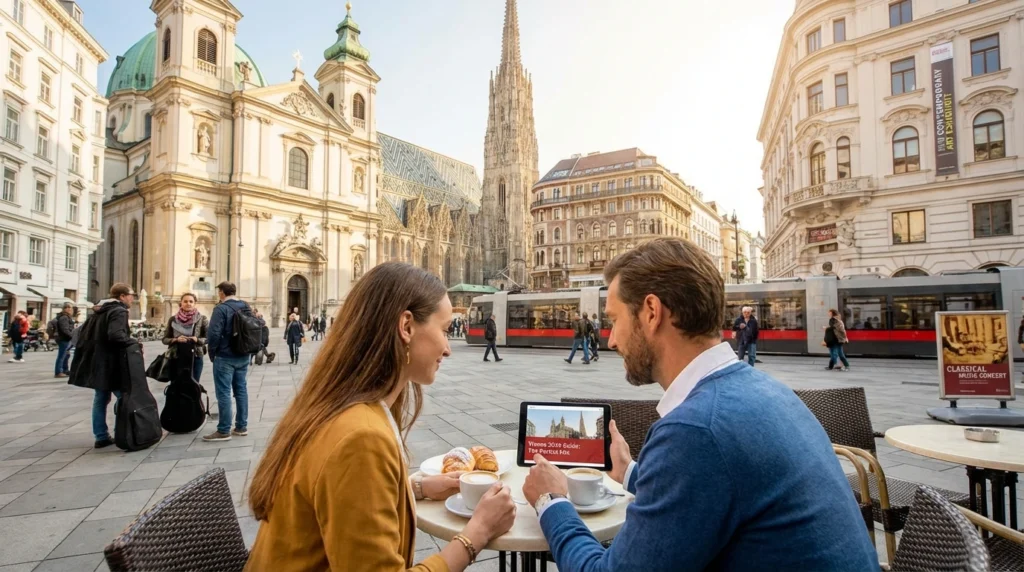
To help you plan the perfect Vienna trip, I’ve put together the ultimate guide to the best things to do in Vienna for first time, mixing the big famous sights with the relaxed local vibe you’ll fall in love with.
Why Vienna is the Perfect Destination
Vienna isn’t just a pretty face. It is a global champion. It is consistently ranked as one of the most livable cities in the world, but the real magic is in the details you don’t hear about every day.
Alpine Water on Tap
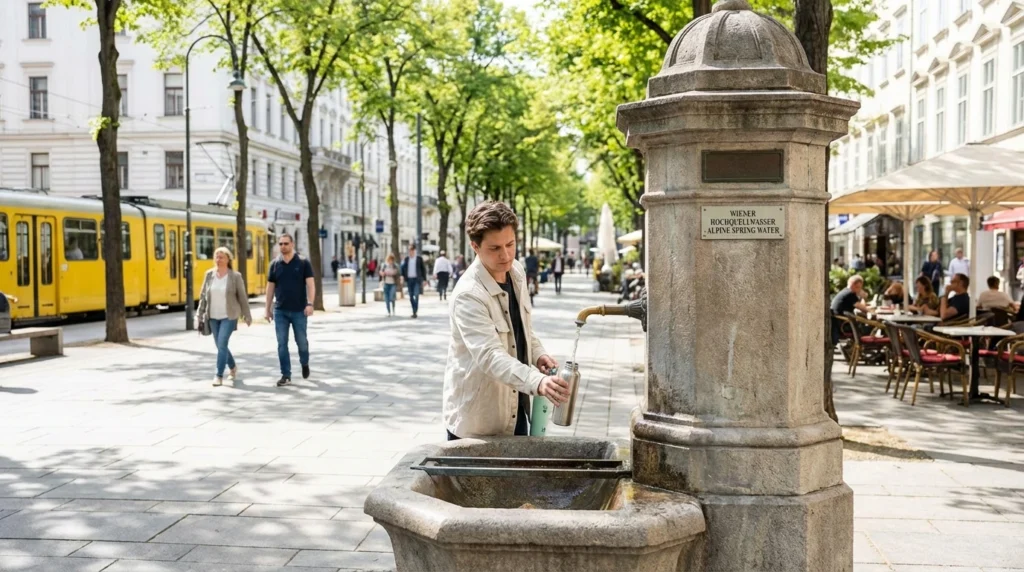
You can seriously skip buying bottled water here. The tap water in Vienna flows directly from the high mountain springs of the Alps and reaches the city in just 36 hours. It shows up completely fresh and naturally chilled without needing any pumps. It tastes amazing.
A Living Room Tradition
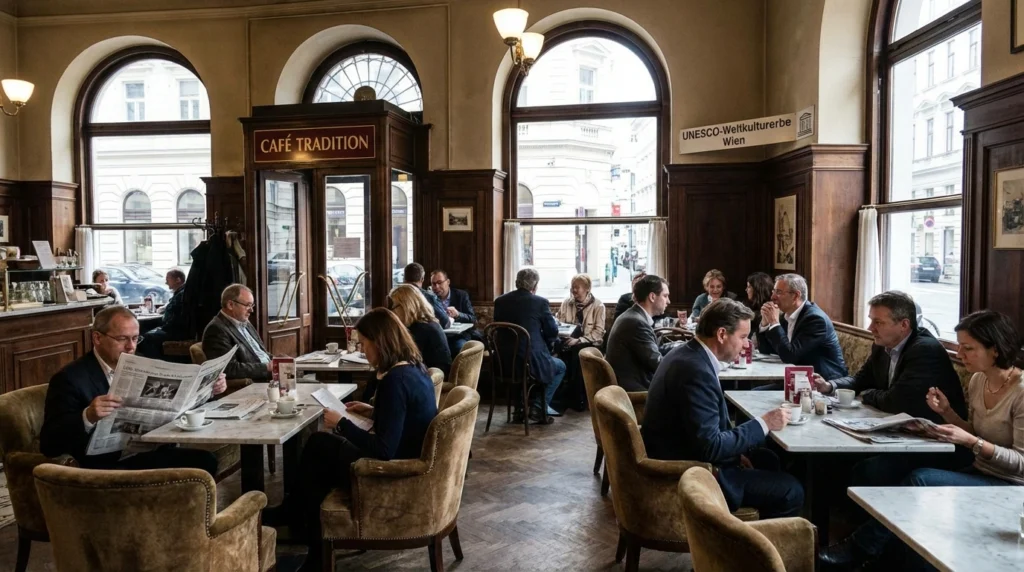
There are over 2,000 coffee houses in the city. The culture here is so unique that UNESCO actually protects it. They call it a place where time and space are consumed, but only the coffee is on the bill. It’s basically a second living room for locals.
The World’s Oldest Zoo
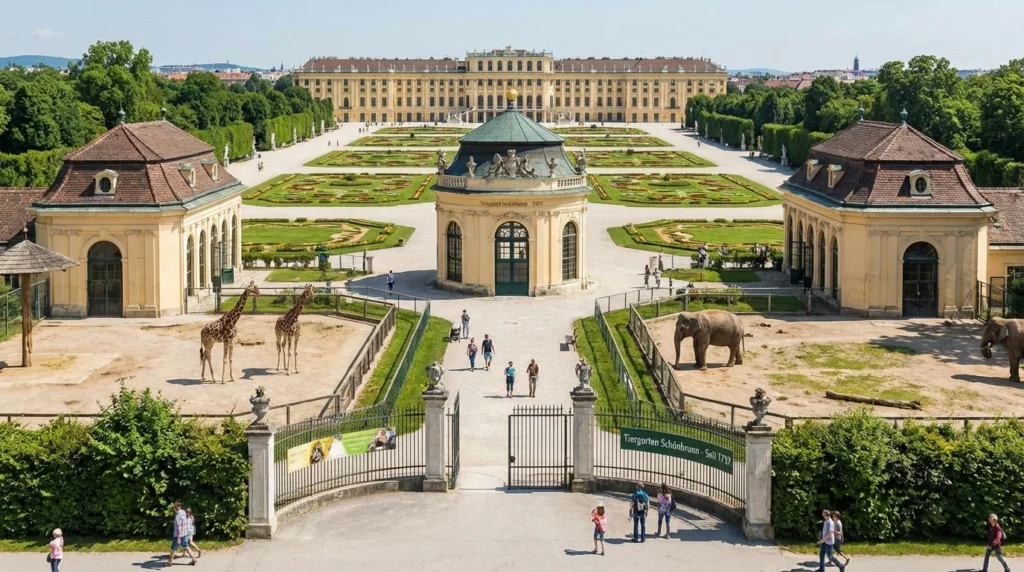
If you like animals, you have to see Tiergarten Schönbrunn. It has been open since 1752, making it the oldest zoo on the planet. The coolest part is that it sits right inside a palace garden.
A City of Music
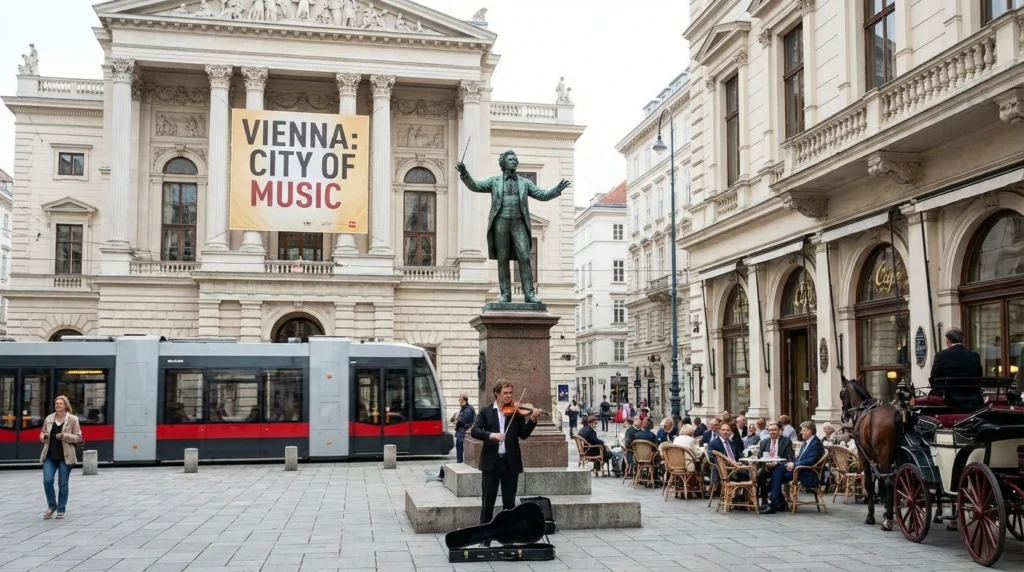
More famous composers have lived here than in any other city in the world. From Mozart to Beethoven, the sound of music is practically built into the streets.
We can easily say that Vienna has really perfected the art of the good life. It is a city where everything works like clockwork, which gives you more time to enjoy the luxury and adventure of your Vienna itinerary.
Top Things to See in Vienna
1. Schönbrunn Palace
This used to be the summer home of the royals and is a massive masterpiece with 1,441 rooms. Walking through the gardens feels like a dream, especially if you hike up to the Gloriette hill. The panoramic view from up there is truly the cherry on top of the estate.
2. St. Stephen’s Cathedral
Standing tall in the center of town, its iconic colorful tiled roof is impossible to miss. It is the heart of the city, and you can even climb the tower for a birds eye view of the historic streets. If you want a change of pace, you can also explore the catacombs below.
3. The Hofburg
For a deep dive into history, this former winter palace is a huge complex that houses the Sisi Museum and the Imperial Treasury. Here, you can see real crown jewels that are fit for a king.
4. The Belvedere
This is a must for art lovers. It holds world famous works like Gustav Klimt’s The Kiss and features tiered gardens that are perfect for a luxury stroll during your Vienna 3 day itinerary.
Best Vienna Tours for First Time Visitors
To really understand Vienna, sometimes it helps to have a plan. Wandering around aimlessly can be fun, but if you are short on time or just hate waiting in lines, booking a few experiences ahead of time can save you some headaches. You can check availability for these on platforms like GetYourGuide, which is helpful for reading recent reviews from other travelers to see if it’s actually your cup of tea.
Schönbrunn Palace Without the Wait
Let’s be honest, standing in a long queue can drain your energy fast, especially in the summer. That is why a guided tour here is popular. It isn’t just about skipping the line; the palace is massive, and without a guide, it can feel like just walking through endless fancy rooms. A good guide will give you the context on Franz Joseph and Sisi’s complicated marriage and daily lives, which makes the history stick a lot better than just reading the placards.
Morning Training at the Spanish Riding School
This is a unique experience, but it’s important to know what you are booking. You can watch the famous Lipizzaner stallions doing their morning workout in a stunning baroque hall. It is called “Morning Exercise,” and it is set to classical music. Just keep in mind that this is a training session, not the full gala performance. You will see the horses warming up and practicing specific moves with their riders. It is much more low-key and quiet than the evening shows, which some people love for the atmosphere, while others might expect more action.
St. Stephen’s Cathedral & Catacombs
St. Stephen’s is the center of the city, but the experience changes depending on where you go. A combo ticket is usually the most practical option because it groups the main sights. The highlight for many is the guided tour of the catacombs beneath the church. You actually go down into the crypts where they keep the bones of plague victims and jars containing the organs of former royals. It is definitely on the spooky side and might not be for everyone, but it is a fascinating look at the city’s history. Afterward, you can climb the tower, though be warned: it is a tight squeeze and a lot of steps.
Sightseeing from the Danube Canal
After walking on cobblestones all day, your feet might need a break. Hopping on a boat is a decent way to see a different side of Vienna, including the modern architecture and the graffiti art along the canal that you don’t see in the historic center. It is a passive way to sightsee. If you want to make an evening of it, there are dinner cruise options. The food is usually standard cruise fare, but the experience of watching the city lights drift by while you sit and relax is hard to beat.
Vienna Walking Tour
If it is your first day, this is often a smart move to get your bearings. A local guide will walk you past the big landmarks like the Hofburg and the Opera, but they also take you down the small side streets you might miss on your own. The real benefit here isn’t just the history lesson; it’s the logistics. Guides are usually great at pointing out where to grab a good coffee or which tourist traps to avoid, so you end the tour with a better mental map for the rest of your trip.
Where to Eat: From Fine Dining to Street Food
In Vienna, eating is an event, not a chore. Whether you are sitting in a velvet chair or standing at a street corner, the quality is world-class.
Traditional Coffee Houses
This is the heart of the “good life.” Places like Café Central or Café Sacher are famous for a reason, but they often have long lines. If you want a more local feel, try Café Sperl or Café Schwarzenberg.
The “Sachertorte” Debate
Everyone fights over who has the best chocolate cake. While the Hotel Sacher is the original, many locals swear by Demel. It’s worth trying both to see which side you’re on!
Michelin-Star Experiences
For luxury seekers, Steirereck in the Stadtpark is consistently ranked as one of the best restaurants in the world. If you want something modern, TIAN offers a Michelin-starred vegetarian menu that will blow your mind, even if you’re a meat-lover.
Naschmarkt
If the coffee houses are the city’s “living rooms,” the Naschmarkt is its “vibrant kitchen.” It is a mile-long stretch of food stalls and tiny restaurants.
- Expert Tip: Visit on a Saturday morning to catch the huge flea market right next door.
Wurstelstands (Sausage Stands)
You haven’t truly visited Vienna until you’ve eaten a Käsekrainer (sausage with cheese) at a street stand. The Bitzinger stand near the Albertina Museum is a legend—it’s the perfect “high-low” experience of eating street food while surrounded by palaces.
Frequently Asked Questions for 2026 Visitors
When is the best time to visit?
Spring and Fall offer the best weather, but December is the most magical thanks to the Christmas markets.
Is Vienna expensive?
It is a premium destination, but you get what you pay for in terms of safety, quality, and beauty.
How many days do I need?
A 3-day itinerary is perfect for the highlights, while 5 days allows for a more relaxed pace.
Do I need to speak German?
Not at all. Almost everyone in the city center speaks excellent English, though a quick “Guten Tag” (Good Day) is always appreciated!
What should I wear to the Opera?
You don’t need a ballgown, but most people dress up. Think “festive attire” or a nice suit—it’s part of the experience!