First Time in Villach, Austria: The Ultimate Travel Guide (2027)
Updated: September 22, 2026
This post contains affiliate links; we may earn a commission if you book through these links at no extra cost to you.
Villach is where Austria starts to feel a little more Mediterranean. You get colorful streets, outdoor cafés, warm lakes, thermal pools, and mountain views all in the same trip.
For a first-time visitor, that mix is exciting but easy to plan badly. The city centre is compact, while many of the best lakes, viewpoints, and outdoor experiences sit outside it.
This complete guide will help you understand how Villach works, choose the right place to stay, plan your time, get around, and avoid wasting half your trip moving between places.
To make your first time in Villach smooth and memorable, you need a simple game plan.
1. Getting to Villach and Getting Around
Before you can start climbing church towers, walking beside the river, or relaxing in the thermal pools, you have to reach Villach and figure out how to get around. Villach does not have its own airport, but thankfully, its main train station is one of the best-connected transport hubs in southern Austria.
Getting to Villach You have three primary options:
The Train: Villach Hauptbahnhof has direct connections with Vienna, Salzburg, Graz, Klagenfurt, Italy, and Slovenia. The station is also incredibly central. Cross the Drau River, and you can reach Hauptplatz and the heart of the Old Town in around 10 minutes on foot.
From Klagenfurt Airport: Klagenfurt Airport is the closest airport to Villach. The nearby Annabichl station is around a 10-minute walk from the terminal, and trains continue toward Villach Hauptbahnhof. The full journey usually takes around one hour, depending on the connection, and is normally the cheapest airport option.
Taxis and Private Transfers: A direct transfer from Klagenfurt Airport takes around 40 minutes. It costs much more than the train, often over €100, but it can be the easiest choice for families, groups, late arrivals, or anyone staying outside central Villach.
Navigating the City Once you are settled, you will find that central Villach is highly walkable. Hauptplatz, St. Jakob’s Church, the Drau promenade, cafés, shops, and restaurants are all grouped within a small area.
Local buses and trains become more useful when you want to reach Warmbad-Villach, the thermal spa, nearby lakes, or mountain attractions. A single city-bus ticket usually costs around €2.50, while a day ticket is normally around €6.
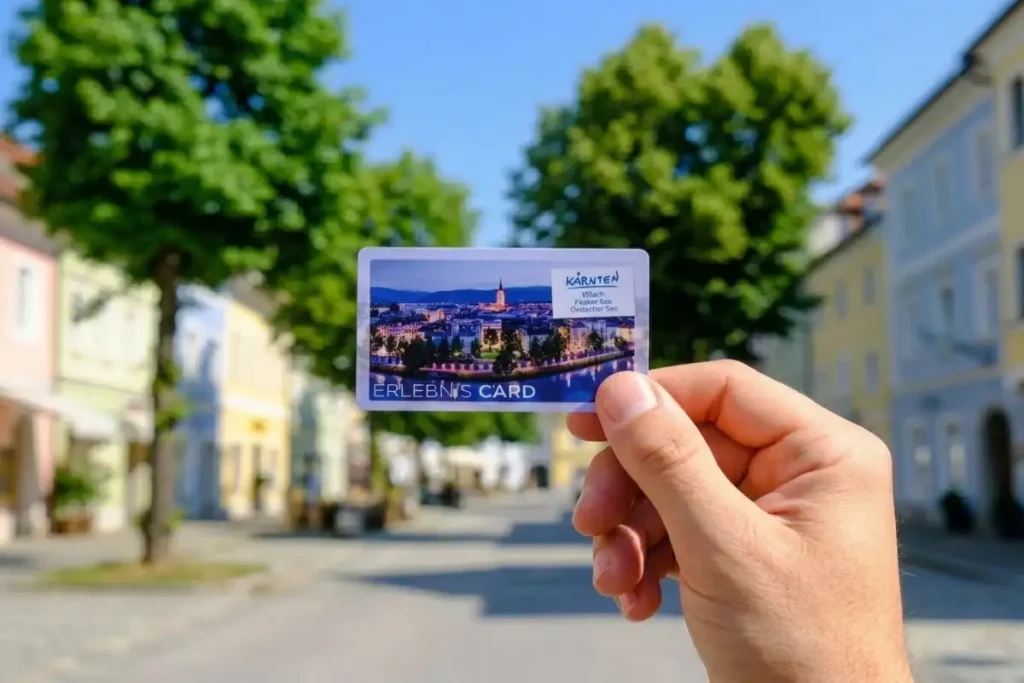
The best part? Many guests staying with participating accommodation providers receive the Erlebnis CARD at no extra cost. Depending on the season, it may include local train travel, selected regional buses, and discounts on activities around Villach, Faaker See, and Ossiacher See.
Villach itself is simple to explore. The main thing to understand is that the city centre, lakes, thermal spa, and mountains sit in different areas, which brings us to the most important rule for planning your visit.
2. How to Plan Your Day in Villach
The biggest mistake first-time visitors make in Villach is trying to fit the Old Town, thermal spa, lakes, and mountains into one day. Villach looks small, but its best places are spread out.
The easiest plan is to explore the centre first, then choose one main experience for the afternoon.
Here is how a relaxed day in Villach works:
8:30 AM – 11:30 AM: The Old Town Start around Hauptplatz, walk through the colourful centre, visit the main church, and finish beside the Drau River. Everything is close enough to explore on foot.
11:30 AM – 1:00 PM: Lunch Many restaurants offer a cheaper weekday lunch called a Mittagsmenü. It is a simple way to try local food before leaving the centre.
1:00 PM – 5:00 PM: One Main Experience Spend the afternoon at the thermal spa, beside one of the nearby lakes, or in the mountains. Each option takes you in a different direction, so choosing one keeps the day simple.
5:00 PM – 7:30 PM: Slow Down Stay near the lake for a walk, return from the spa for a quiet evening, or take your time coming down from the mountains.
7:30 PM Onward: Dinner The Old Town has the widest choice of restaurants and bars, while the lake areas are especially pleasant on warm summer evenings.
Villach works best when each day has one clear focus. The city, lakes, spa, and mountains can all fit into the same trip, just not all into the same afternoon.
3. Where to Stay in Villach
Where you stay in Villach can completely change the feel of your trip. Stay in the centre and you get an easy city break with restaurants, cafés, and sights close by. Stay near the thermal springs and the trip feels more like a spa escape. Choose one of the nearby lakes and you get a quieter, more scenic holiday.
If you are deciding between Villach and another base in Carinthia, my Klagenfurt itinerary explains how the nearby capital combines its Old Town with Lake Wörthersee.
For most first-time visitors, these are the best areas to consider:
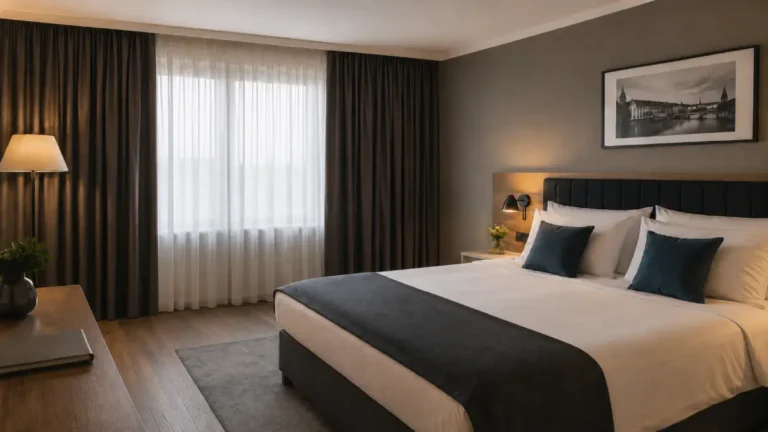
Villach Old Town: This is the best all-round choice for a first visit. Hauptplatz, the Drau River, cafés, shops, and the train station are all within easy walking distance. Hotels such as voco Villach and Hotel Palais26 are convenient options if you want to stay close to the centre without relying much on transport.
Near Villach Hauptbahnhof: This area works well for short stays, early trains, or travellers continuing toward Italy or Slovenia. Hotel City Villach is especially convenient because it is close to the station while still being within walking distance of the Old Town.
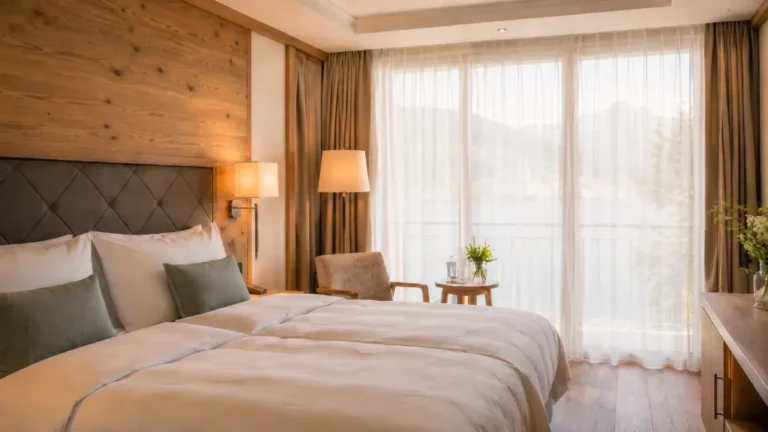
Warmbad-Villach: Choose this area if thermal pools and a slower pace are high on your list. Thermenhotel Karawankenhof is one of the standout options here and is directly connected to the KärntenTherme spa complex. It is a better fit for a relaxing stay than for nightlife or restaurant-hopping.
Faaker See: Faaker See is the scenic option. The lake is known for its turquoise water, mountain views, and quiet summer atmosphere. It is a great choice if swimming and relaxing are more important than being close to Villach’s centre.
Ossiacher See: This is another good choice if you want lake time and outdoor activities. It feels more like a resort area than a city neighbourhood, with easy access to the water and the mountains around the lake.
For a first trip to Villach, I would usually choose Villach Old Town. It gives you the easiest access to restaurants, sights, and transport. Warmbad-Villach is better for a spa-focused break, while Faaker See and Ossiacher See make more sense if the lake and nature are the main reason for your visit.
4. How Long to Spend in Villach
Villach has a colourful Old Town, a thermal spa, clear lakes, mountain roads, and river walks. The temptation is to rush from the city centre to the water, then squeeze in a mountain viewpoint before dinner.
That approach rarely shows Villach at its best. The real charm is found between the main sights. It’s having coffee on Hauptplatz, walking beside the Drau River, or spending a warm afternoon by the lake without constantly checking the time.
If you only have one day, you will need to choose carefully. Spend the morning in the Old Town, then use the afternoon for one main experience, such as the thermal spa, a nearby lake, or a mountain trip. This covers the essentials without making the day feel like a race.
However, two or three days give you the space to experience Villach properly. You can explore the centre slowly, spend real time beside the water, and still leave room for the spa or mountains. With a longer stay, you can also add nearby Carinthia’s capital using my Klagenfurt itinerary, rather than simply passing through the region.
5. Best Things to See and Do in Villach
While Villach is best enjoyed at a relaxed pace, there are a few places that capture what makes the region special. You get colourful streets, river views, thermal water, clear lakes, and mountain scenery within a short distance of the centre.
Here are the non-negotiables:
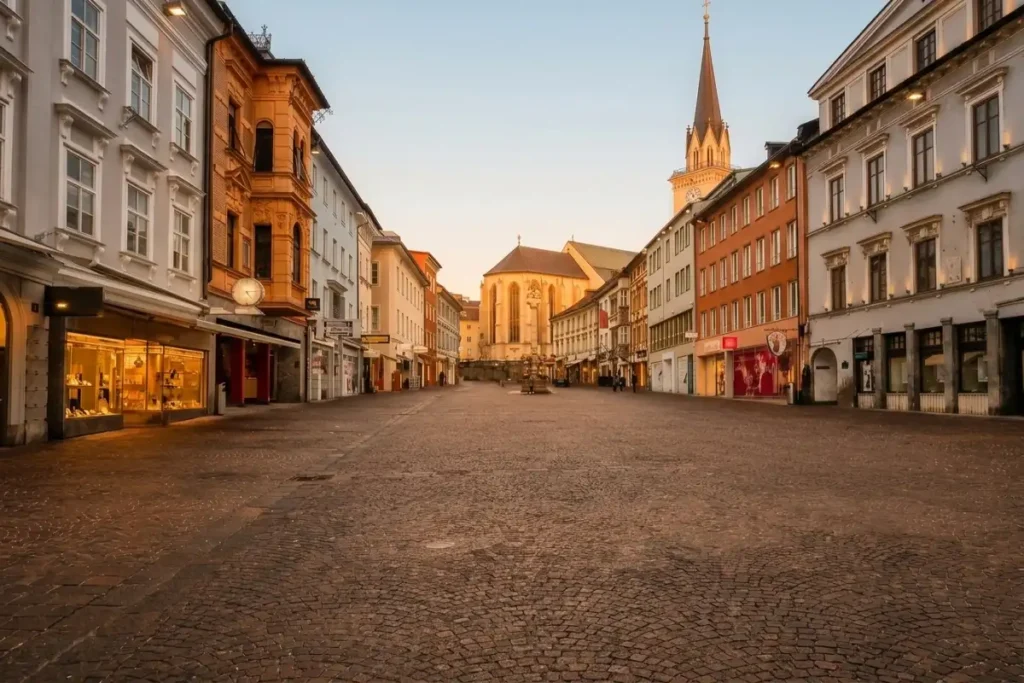
1. Hauptplatz Villach’s long main square has been the heart of the city since the Middle Ages. Its colorful buildings, outdoor cafés, and narrow side streets give it a noticeably southern feel, especially on a warm afternoon.
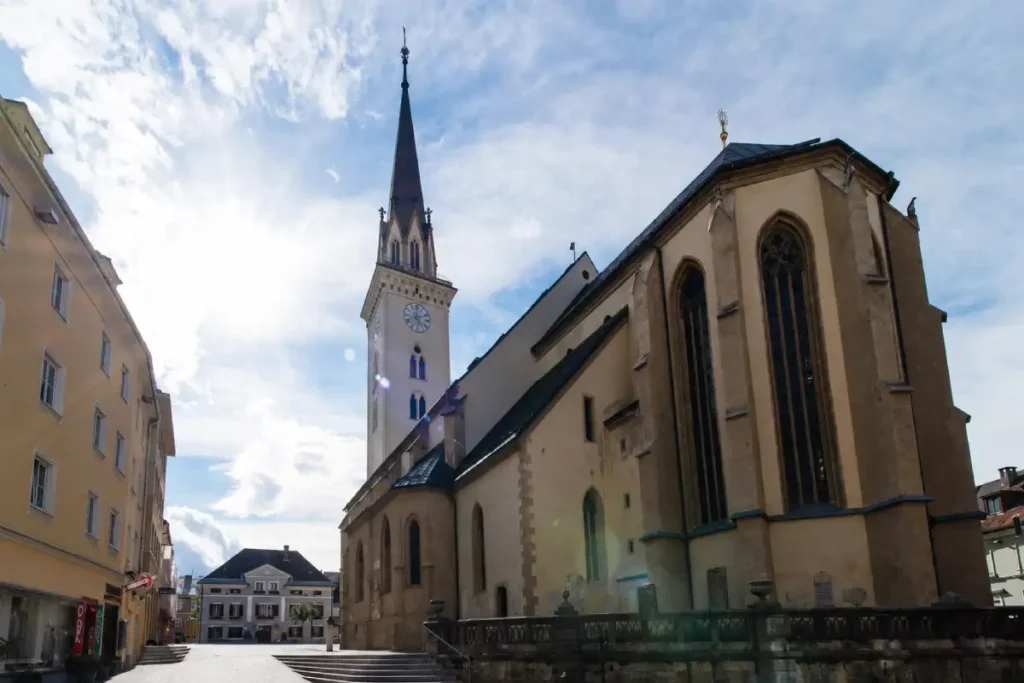
2. St. Jakob’s Church Tower The church rises above the Old Town, but the tower is the real highlight. At 94 metres, it is the highest church tower in Carinthia and gives you a wide view over Villach, the Drau River, and the surrounding mountains.
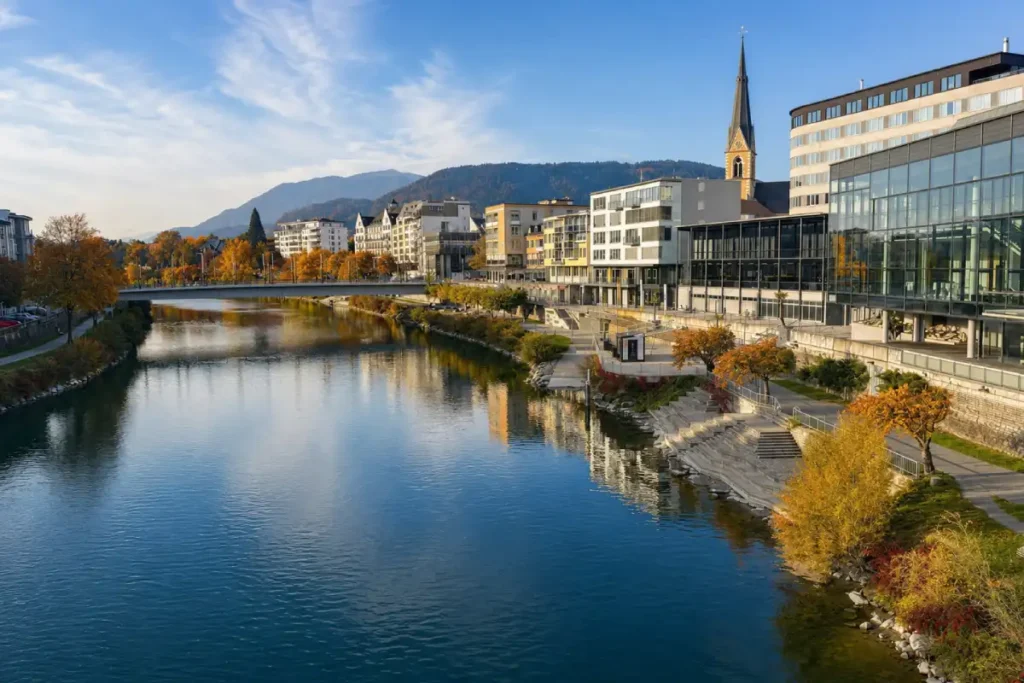
3. The Drau Promenade The river gives Villach a calmer, greener side just minutes from the main square. It is perfect for a slow walk, a bike ride, or a drink beside the water. On selected summer evenings, the river also becomes the stage for the colourful DRAUpuls fountain show.
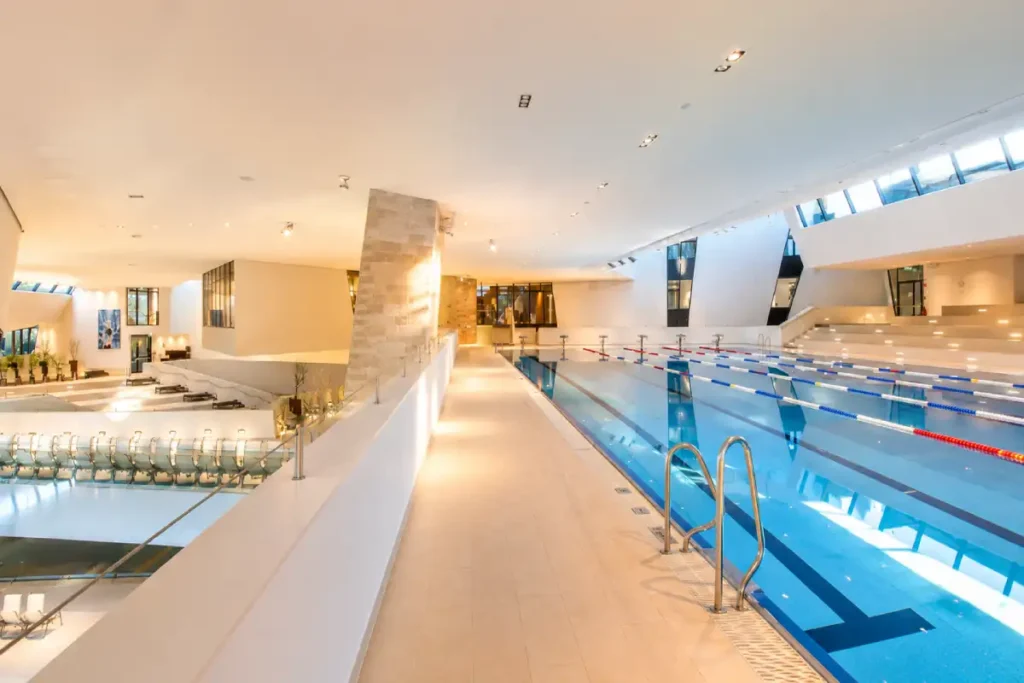
4. KärntenTherme This large thermal complex in Warmbad-Villach combines warm pools, slides, fitness areas, saunas, and quiet spa spaces. It works just as well for families as it does for travellers who simply want a break from walking and sightseeing.
5. Faaker See Faaker See is known for its bright turquoise water and the sharp outline of the Karawanken Mountains behind it. Private motorboats are not allowed, which helps the lake feel peaceful and makes it ideal for swimming, kayaking, and paddleboarding.
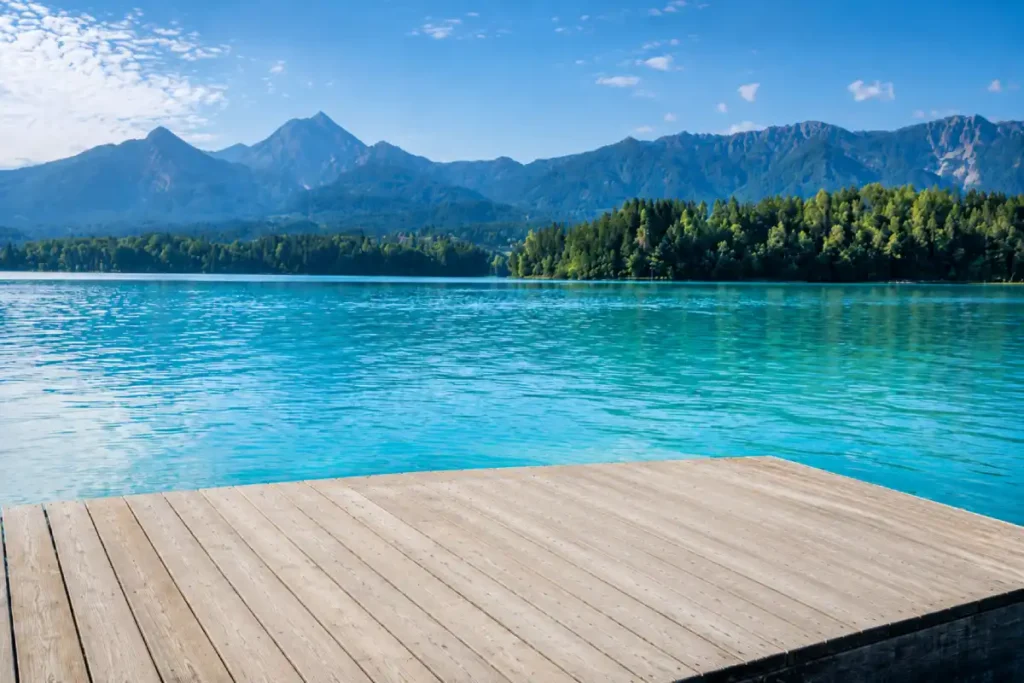
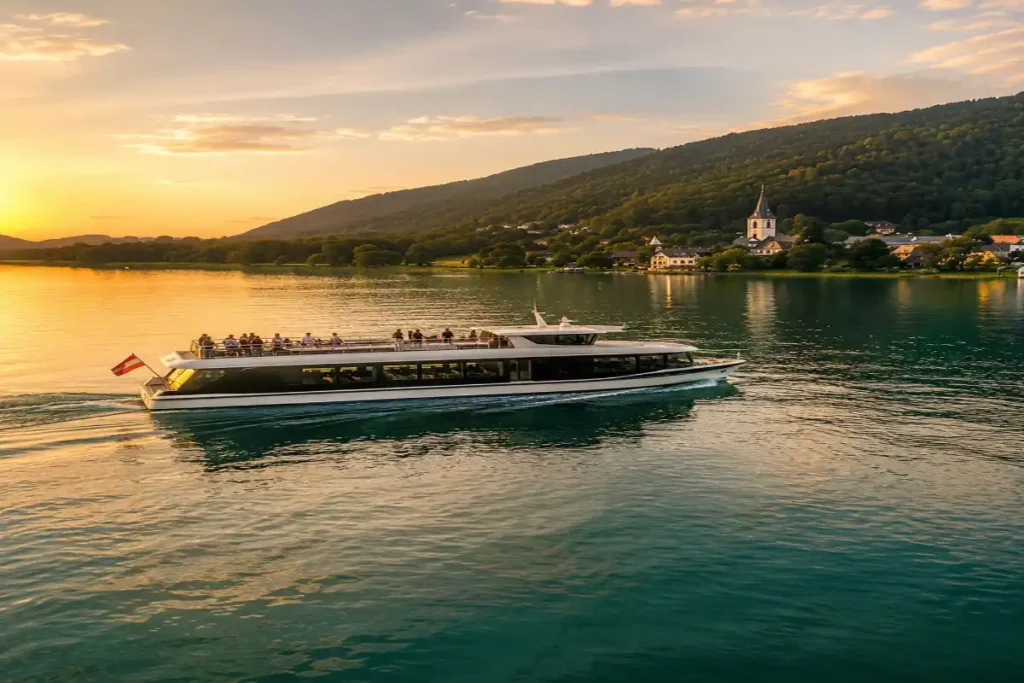
6. Ossiacher See Ossiacher See offers a livelier mix of beaches, water sports, cycling routes, and mountain views. It is a strong choice for travellers who want more activity around the lake rather than spending the entire day on one quiet beach.
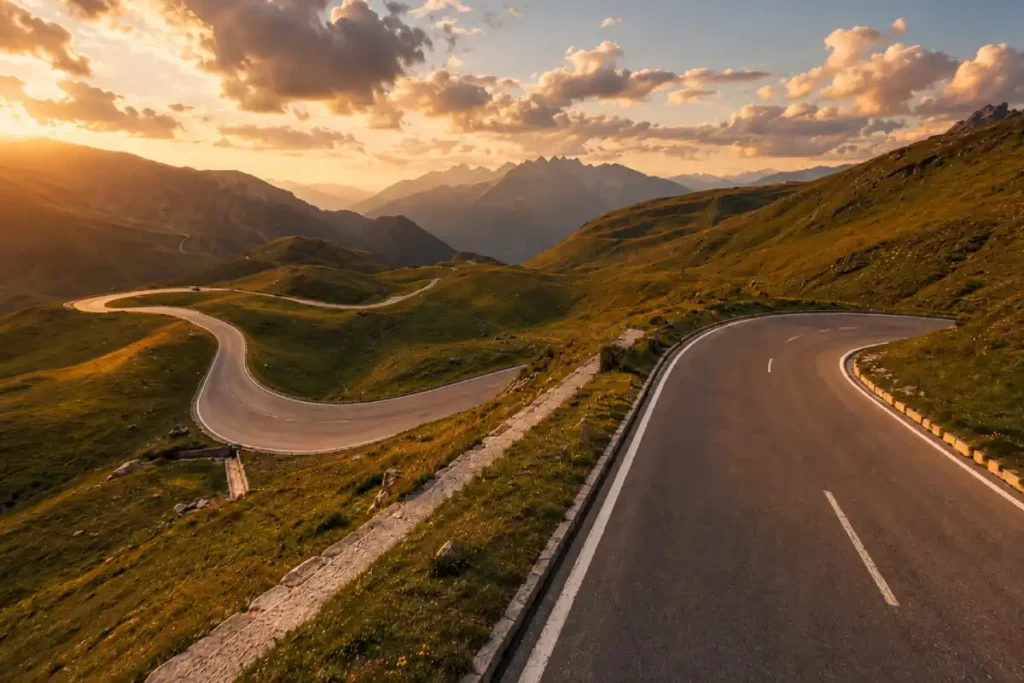
7. The Villach Alpine Road This 16.5-kilometre mountain road climbs above the city through a series of bends and scenic stops. The views stretch across Villach, the nearby lakes, and the Julian Alps, while the Skywalk offers one of the most dramatic photo spots along the route.
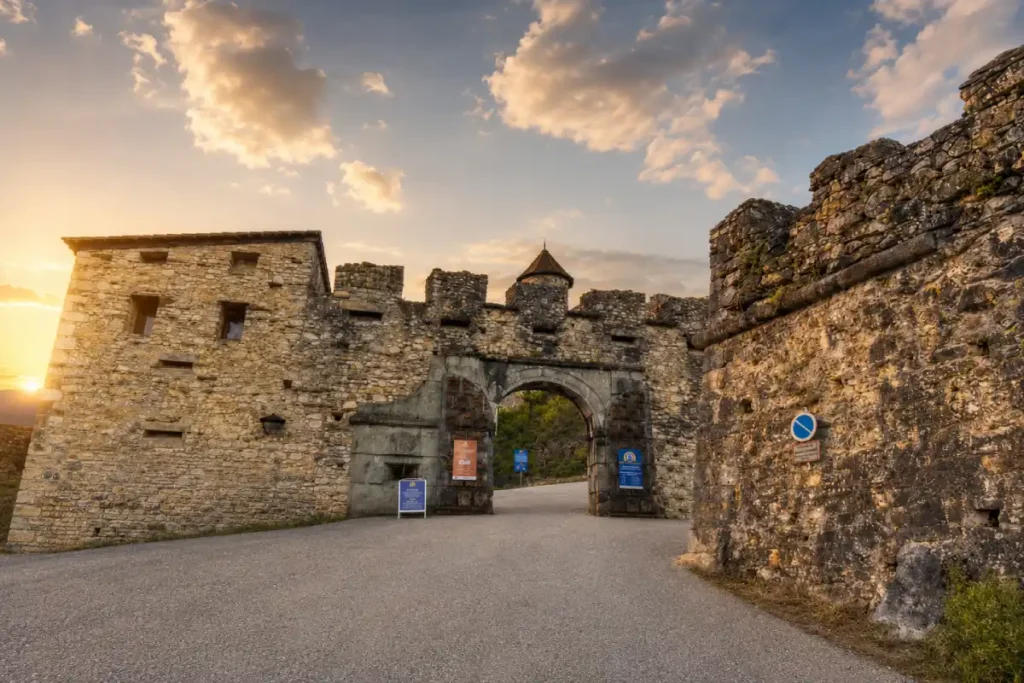
8. Landskron Castle The hilltop castle adds a little medieval drama to the region. Its forest setting and wide views make the trip worthwhile, while the area around the castle is also known for its birds of prey and family attractions.
6. What to Eat in Villach
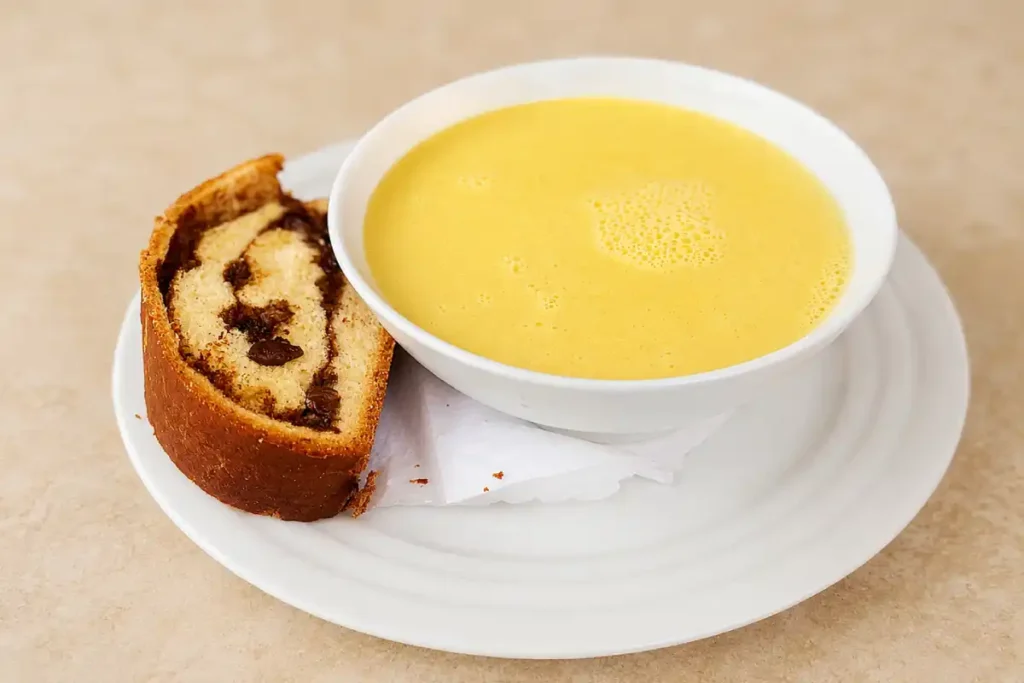
You cannot talk about visiting Villach without talking about Villacher Kirchtagssuppe. It is more than a local soup; it is part of the city’s biggest festival. The soup is creamy, slightly sour, and full of spices, then served with a slice of sweet Reindling bread.
Soup with sweet bread may sound like a strange mix, but it works surprisingly well. Every family and restaurant seems to have its own recipe, which is why locals can become very serious about which version tastes best.
Villach’s location near Italy and Slovenia also shapes the food. Menus often mix Austrian comfort dishes with pasta, fresh fish, local cheese, and lighter Mediterranean flavours.
A few quick rules for eating out:
Tipping stays simple: A 20% tip is not expected. Rounding up the bill or adding around 5% to 10% for good service is usually enough.
The bill usually comes when you ask: Austrian servers will often let you sit without rushing. When you are ready, say “Zahlen, bitte.”
Cash is still useful: Cards are common in hotels and larger restaurants, but smaller cafés, mountain huts, and food stalls may still prefer cash.
7. Best Day Trips From Villach
One of the best things about Villach is its location. Sitting at an important railway crossroads in southern Austria, it makes an easy base for exploring more of Carinthia and Styria.
If you are staying for three days or longer, one of those days can be used for a nearby city trip.
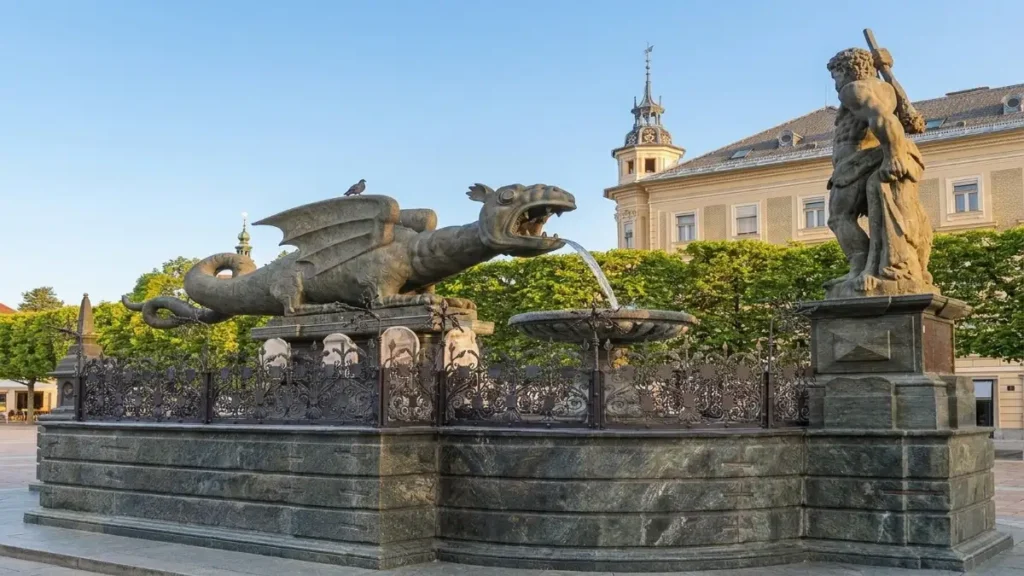
Klagenfurt: A short direct train ride brings you to Carinthia’s capital, where a colourful Old Town meets the shores of Lake Wörthersee. The stone dragon in the main square, quiet Renaissance streets, and lakeside views make it feel very different from Villach. My Klagenfurt itinerary covers the main sights in a simple order. Trains run regularly between the two cities.
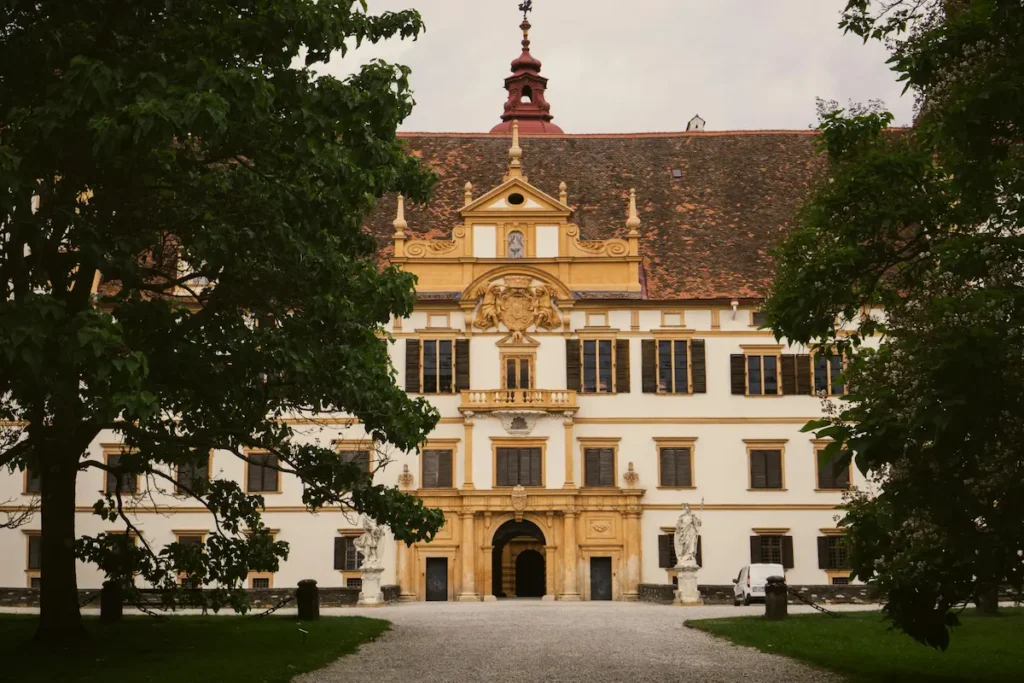
Graz: Around one hour by direct train brings you to Graz, a lively city known for red rooftops, hidden courtyards, and the Schlossberg above the centre. The new Koralm Railway has made the journey much faster and easier. My Graz itinerary will help you explore the highlights without turning the day into a race.
If your time in Villach is limited, those extra hours are often better spent beside a lake, in the thermal spa, or exploring the mountains around the city. There is already plenty to fill a first visit.
Final Thoughts
Villach does not have Vienna’s grand palaces. It does not have Salzburg’s famous musical history. It doesn’t rely on one huge landmark to bring visitors in. Instead, Villach relies on its setting.
The real goal of your first trip is not to visit every lake or climb every mountain. It is to walk beside the Drau River in the late afternoon, watch the peaks rise behind the beautiful rooftops, and realize that Villach is far more than the train stop many travelers expect.
Is Villach safe for tourists?
Yes, Villach is generally very safe for tourists. The centre is calm, walkable, and comfortable in the evening. Normal precautions are enough, especially around the train station, busy events, and crowded public transport.
How many days do you need in Villach?
Two days is ideal for a first visit to Villach. That gives you time for the Old Town, one lake, and either the thermal spa or a mountain trip. One day works for the highlights, while three days lets you explore the region at a slower pace.
Is Villach expensive?
Villach is generally more affordable than Vienna, Salzburg, or Innsbruck. The city centre offers reasonably priced cafés, restaurants, and hotels, while lakeside stays and mountain activities usually cost more during summer.
Want to keep up with our blog?
Get our most useful Austria & Europe travel tips in your inbox, about once a month.
By subscribing, you agree to receive occasional emails from LinzGo. You can unsubscribe at any time. Read our Privacy Policy.